About Us
What factors should be considered when designing food packaging bags?
Views : 204
Update time : 2026-08-25 13:28:47
What factors should be considered when designing food packaging bags?
When designing food packaging bags, various factors must be comprehensively considered to ensure practicality, aesthetic appeal, and environmental friendliness. The following are the key factors to consider, summarized from reference materials:
Principle of Safety:
Food is an essential daily necessity, and safety requirements are extremely high. Therefore, food packaging must comply with relevant national laws, regulations, and standards; materials must be non-toxic and harmless, and appropriate materials should be selected based on the product's specific characteristics.
Principle of Information Communication:
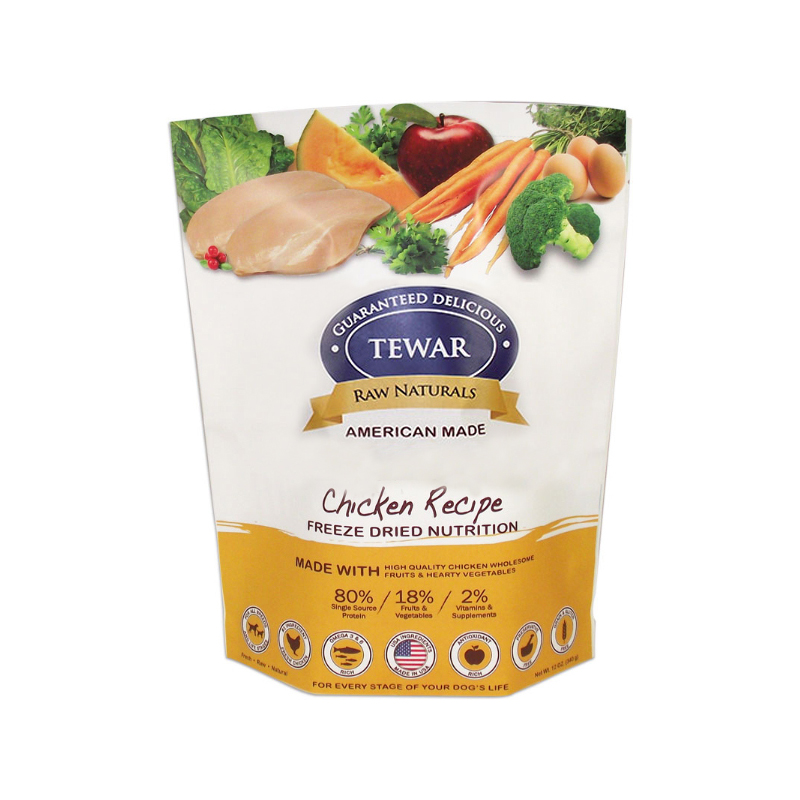
Food packaging serves as a bridge between the product and the consumer; it must convey information effectively through visual language and design elements. This includes key details such as the product name, ingredients, nutritional value, production date, and shelf life, ensuring consumers have a comprehensive understanding of the product.
Principle of Convenience:
Packaging design should prioritize ease of use—such as convenience in opening, pouring, and storage. A well-designed food packaging bag should be practical and user-friendly, taking into account consumer habits and needs.
Principle of Marketing:
Marketing factors must also be considered in food packaging design. Visual elements—such as patterns, colors, and typography—should be used to capture consumer attention, stimulate the desire to purchase, and boost sales.
Principle of Environmental Friendliness:
Environmental protection has become a crucial issue in modern society. Packaging design should incorporate eco-friendly considerations by using sustainable materials to minimize pollution and waste. Examples include using biodegradable or recyclable materials and reducing the use of unnecessary packaging components.
Principle of Innovation:
While adhering to the five principles above, food packaging design requires continuous innovation. Incorporating new materials, manufacturing processes, and design techniques can provide the product with a competitive edge through differentiation within the industry.
Regarding specific design details, the following factors should also be considered:
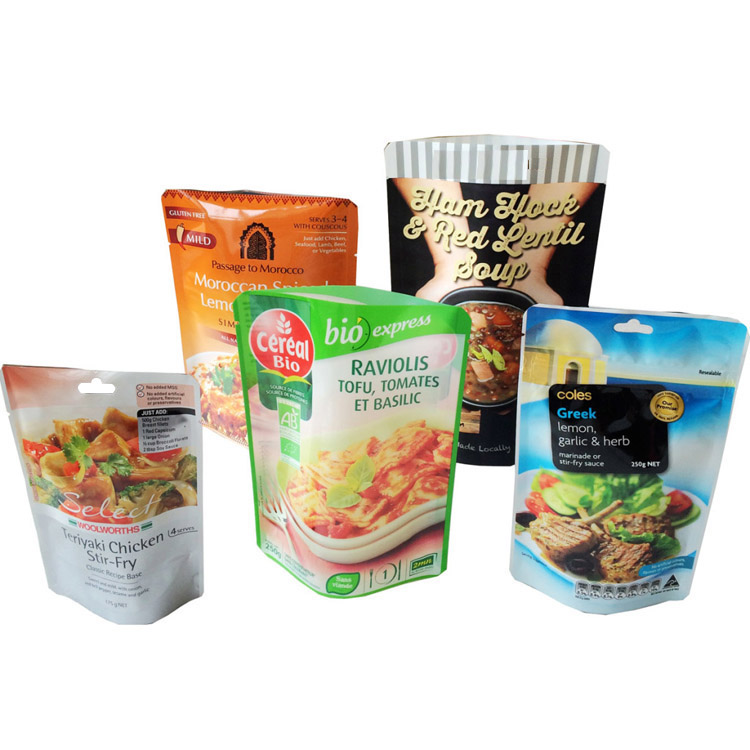
Color Selection: Choose colors that align with the food type and brand image, ensuring the product stands out from others on the shelf.
Patterns and Imagery: Use engaging and eye-catching patterns or images that resonate with the food type and the target audience. Typography: Select fonts that are legible and consistent with the brand image, avoiding overly ornate or hard-to-read typefaces.
Labels and Certifications: If the food product meets specific standards or holds certifications—such as organic or food safety certifications—this information should be incorporated into the packaging design.
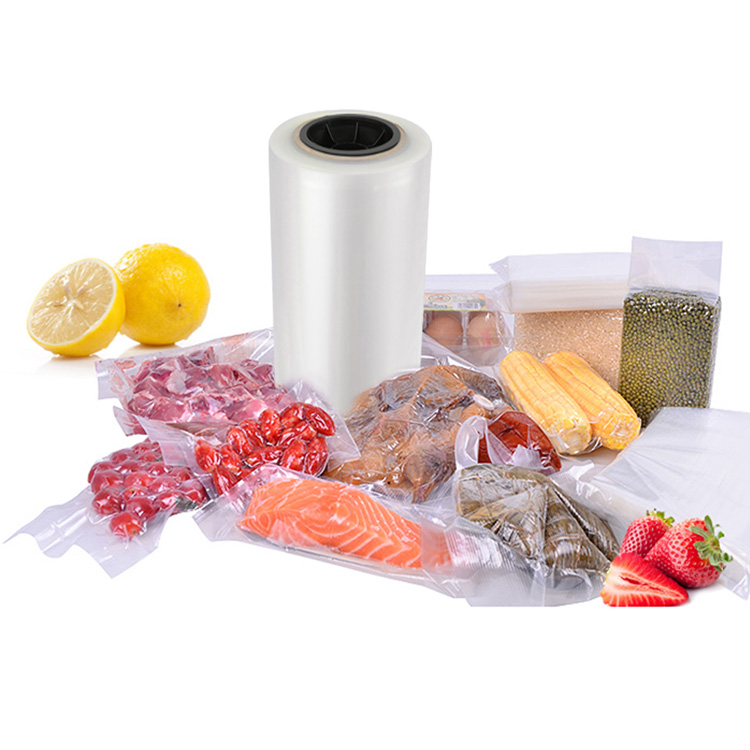
Material Selection: Choose materials suited to the specific food type and packaging requirements, ensuring compliance with food safety standards.
In summary, designing food packaging bags is a multifaceted process that requires balancing safety, information communication, convenience, marketing appeal, environmental sustainability, and innovation. Attention to specific design details is also essential to create packaging that is both functional and visually appealing.
相关新闻