About Us
Five Advantages of Food-Grade Packaging Bags
Views : 140
Update time : 2026-07-31 10:47:43
Five Advantages of Food-Grade Packaging Bags
In modern society, food safety and freshness are becoming increasingly important. As consumers' demands for food quality rise, choosing suitable packaging materials is crucial. Food-grade packaging bags, as an important packaging option, are gradually becoming mainstream in the market due to their diverse advantages. This article will explore the five major benefits of food-grade packaging bags in detail to help you better understand their importance in food storage.
1. Ensuring Food Safety
The primary advantage of food-grade packaging bags is ensuring food safety. Ordinary plastic bags or general packaging may contain chemicals harmful to the human body. These substances may migrate when in contact with food, affecting its quality and safety. Food-grade packaging bags, made of food-grade materials, undergo rigorous safety testing and meet national food safety standards, ensuring no negative impact on food during use. Therefore, food-grade packaging bags are an important barrier protecting consumer health, effectively preventing the penetration of harmful substances and fundamentally guaranteeing food safety.
2. Maintaining Freshness and Flavor
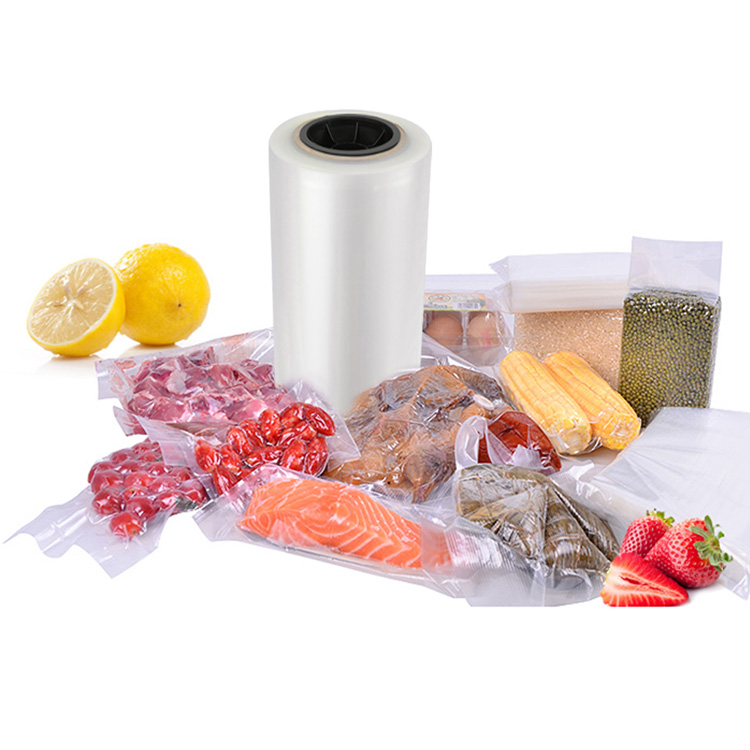
One of the main advantages of food-grade packaging is its ability to maintain the freshness and flavor of perishable foods. Whether it's fruits, vegetables, or cooked food, proper packaging can extend shelf life, reduce waste, and improve customer satisfaction. Barrier films and vacuum sealing technologies create a sealed environment that prevents oxygen and moisture from damaging food quality.
Extended Shelf Life
Food-grade packaging not only maintains product freshness but also extends its shelf life. By minimizing exposure to external factors that accelerate spoilage (such as light and air), packaging solutions like modified atmosphere packaging (MAP) and vacuum sealing can extend the shelf life of perishable goods. This benefits consumers by reducing food waste and improves business profitability by minimizing product loss.
3. Environmental Protection and Recyclability
In today's emphasis on sustainable development, environmental issues have garnered widespread attention. Food-grade packaging bags typically use biodegradable or recyclable materials, aligning with green environmental principles. Using food-grade packaging bags effectively reduces the use of single-use plastics, lowering environmental pollution. Simultaneously, many manufacturers are continuously developing new environmentally friendly materials and using innovative technologies to improve the recyclability of packaging bags, ensuring food safety and freshness while reducing plastic pollution. This increased environmental awareness not only guides consumers to choose healthier lifestyles but also drives the entire industry towards a more sustainable direction.
4. Diverse Application Scenarios
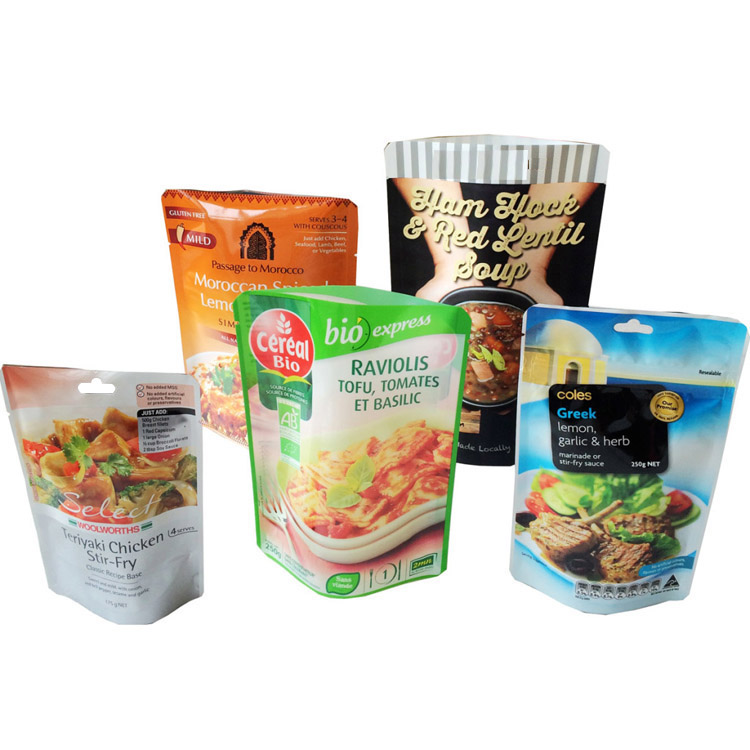
Food-grade packaging bags have a wide range of applications, meeting the packaging needs of various foods. Whether it's liquid foods like juice and soy sauce, or solid foods like snacks and nuts, food-grade packaging bags offer ideal packaging solutions. Furthermore, food-grade packaging bags are suitable for food storage under freezing and microwave conditions, exhibiting excellent temperature resistance and tear resistance. Due to their versatility, food-grade packaging bags have become a preferred choice for food manufacturers, retailers, and consumers. At the same time, different types of food-grade packaging bags can employ different sealing technologies and printing processes according to the characteristics of the food to meet individual needs.
5. Portability
Convenience is a key consideration for today's busy consumers. Food-grade packaging is designed with convenience in mind, offering features such as resealable closures, portion control, and microwave-safe materials. Whether it's snacks on the go or ready-to-eat meals, packaging focused on ease of use enhances the overall consumer experience. Furthermore, lightweight and durable packaging materials facilitate product transportation, meeting the demands of modern lifestyles.
Convenience for Travel
From single-serving packages to resealable bags, food-grade packaging meets the portability needs of today's consumers. Portion-controlled packaging ensures convenience without sacrificing freshness or quality, making it ideal for busy individuals seeking quick and nutritious foods. Whether it's a boxed lunch or a post-workout snack, food-grade packaging offers convenience without compromising taste or nutrition.
Conclusion
Food-grade packaging bags, with their unique advantages, have become an important part of the modern food packaging industry. They play an indispensable role in ensuring food safety, improving preservation, promoting environmental protection, adapting to diverse applications, and providing ease of use. As consumers' understanding of food packaging continues to improve, the development prospects of food-grade packaging will become increasingly broad, becoming an important driving force for continuous innovation in the industry. Therefore, when choosing food packaging, consider prioritizing food-grade packaging bags to safeguard the health of you and your family.
相关新闻