About Us
Flexible Packaging for Frozen Foods: Ushering in a New Era of Convenience
Views : 204
Update time : 2026-06-22 10:33:22
Flexible Packaging for Frozen Foods: Ushering in a New Era of Convenience
With the fast pace of modern life, frozen foods have become a staple on many family tables. They not only save cooking time and meet the growing demand for diverse food options, but are also popular due to their convenient storage and transportation methods. In this process, the application of flexible packaging technology has brought many new opportunities to frozen foods. Let's explore the various aspects of flexible packaging for frozen foods.
1. Definition and Development of Flexible Packaging for Frozen Foods
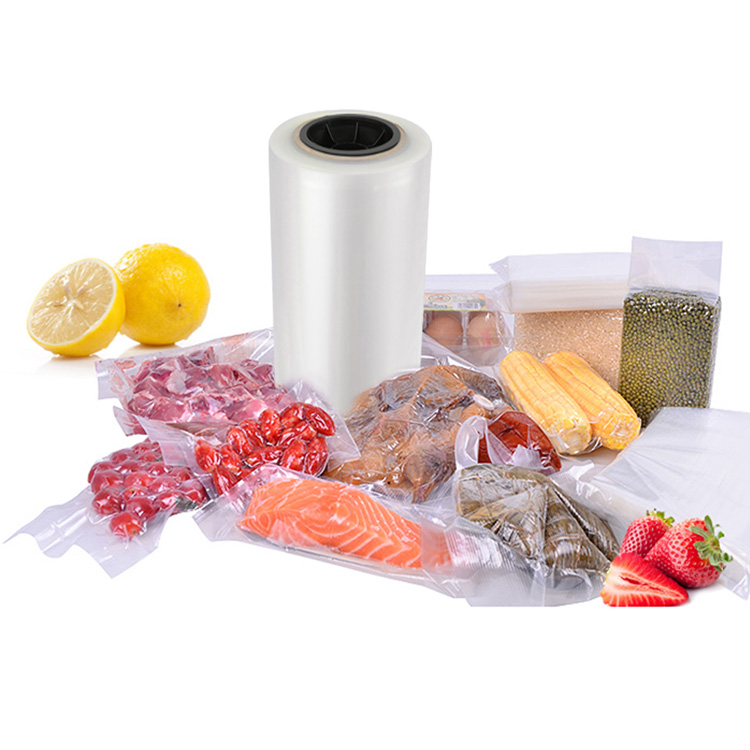
Flexible packaging for frozen foods refers to the technology of using flexible materials for sealing to protect the quality of frozen foods. This packaging form is generally made of multiple layers of materials, including plastic film and aluminum foil, designed to prevent moisture, oxidation, and contamination. As early as the beginning of the 20th century, with the rise of the food industry, frozen foods gradually became widespread, but early packaging methods were mostly rigid materials, making food easily damaged during transportation and storage.
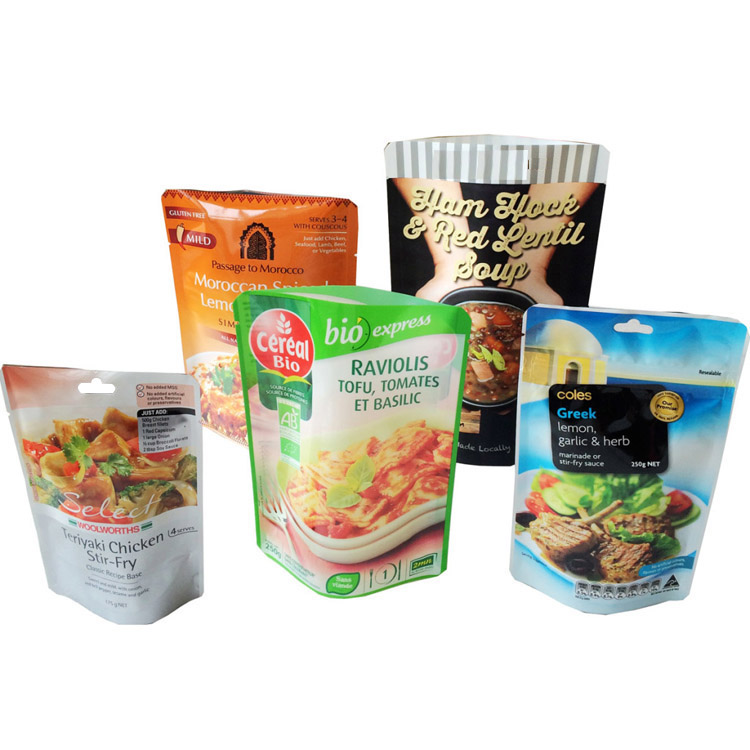
In the 21st century, technological advancements have spurred a revolution in flexible packaging materials. Modern flexible packaging materials not only effectively extend the shelf life of food but also possess advantages such as being lightweight, environmentally friendly, and easily recyclable. Today, various types of flexible packaging for frozen foods are available on the market, including bags, foil bags, and blister packs, with different packaging formats continuously meeting consumer demands.
2. Advantages of Flexible Packaging for Frozen Foods
1>. Excellent Preservation Function
The biggest advantage of flexible packaging for frozen foods lies in its superior preservation capabilities. Through the use of multi-layered composite materials, flexible packaging effectively isolates air, moisture, and light, thereby slowing down the oxidation and deterioration processes of food. This allows frozen foods to retain their flavor and nutrients better during refrigerated transportation and long-term storage.
2>. Convenient User Experience
For consumers, the convenience of flexible packaging for frozen foods is undoubtedly one of the important reasons for its popularity. Flexible packaging usually adopts an easy-tear design, making it convenient for consumers to quickly access the food when needed. In addition, its lightweight characteristics make it more convenient to carry and store, flexibly adapting to the needs of different occasions.
3>. Environmental Protection and Sustainability
With the continuous improvement of people's environmental awareness, the environmental friendliness of flexible packaging for frozen foods is receiving increasing attention. Many manufacturers have begun to adopt biodegradable materials or recyclable packaging designs, striving to reduce their environmental impact. Meanwhile, some companies are investing in the research and development of smart packaging, which not only reminds users of food expiration dates but also effectively reduces food waste.
3. Resealable Bag Options
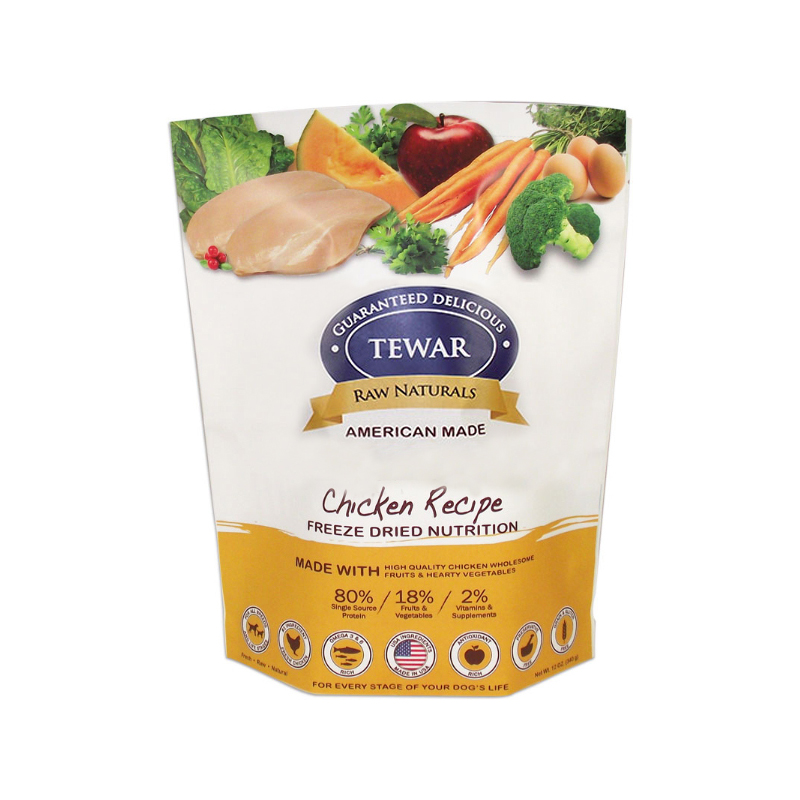
Press-zipper closures and other resealable sealing systems are common features of stand-up pouches, square bags, flat bags, and irregularly shaped bags. Resealable bags help maximize product shelf life, while allowing consumers to freely use only a portion of the food at a time, resealing the rest for later use.
The rise of flexible packaging for frozen foods has not only made modern family life more convenient but also driven progress and innovation in the food industry. With technological advancements and changing market demands, we expect flexible packaging for frozen foods to better serve consumers and contribute to food safety and environmental protection in the future. In this fast-paced era, flexible packaging for frozen foods undoubtedly provides us with more convenient and reassuring lifestyle choices and injects new vitality into the development of the food industry.
相关新闻