About Us
Common Misconceptions About Choosing Plastic Packaging Bags: Do You Really Understand?
Views : 200
Update time : 2026-06-17 14:32:20
Common Misconceptions About Choosing Plastic Packaging Bags: Do You Really Understand?
Plastic packaging bags are ubiquitous in daily life, offering convenience and serving as essential tools for shopping and storing items. However, many people often fall into certain misconceptions when choosing plastic packaging bags, leading to the selection of unsuitable products. This not only affects the user experience but may also have a negative impact on the environment. Maode Plastic Packaging Bags will delve into common misconceptions about choosing plastic packaging bags to help you choose the right bags more scientifically.
I. Lack of Understanding of Plastic Types
Plastic packaging bags come in various types, the most common being polyethylene (PE), polypropylene (PP), and polyvinyl chloride (PVC). Many people are unclear about the characteristics and applicable scope of each plastic when making their selection, leading to problems during use.
1. Polyethylene (PE): This type of plastic has good flexibility and strong waterproof performance, making it suitable for making food packaging bags, shopping bags, etc. However, it is prone to deformation at high temperatures and is not suitable for packaging hot food.
2. Polypropylene (PP): PP packaging bags have high transparency and strong tensile strength, making them ideal for storing dry food, cosmetics, etc. It can also be used in a microwave oven, but its protective effect on oily foods is poor.
3. Polyvinyl Chloride (PVC): Although PVC packaging bags are inexpensive, they are not environmentally friendly and may release harmful substances when decomposing. Caution should be exercised when using them, and direct contact with food should be avoided as much as possible. Understanding the characteristics of different types of plastics can help you make more targeted purchases and choose the right products.
II. Ignoring Bag Thickness
Many people only focus on the appearance and price when choosing plastic packaging bags, ignoring the thickness of the bags. The thickness of plastic bags directly affects their load-bearing capacity and durability.
- Mint-sized bags: Although cheap, they have limited load-bearing capacity, are easily damaged, and are not suitable for storing heavy or sharp objects.
- Medium-thickness plastic bags: Suitable for daily shopping needs, such as buying vegetables and fruits, and are more suitable for family use.
- Thickened bags: In certain situations, such as transporting heavy items or long-term storage, using thickened bags can effectively prevent damage. When purchasing, be sure to consider the thickness of the bags to avoid unnecessary trouble.
III. Neglecting Environmental Factors
With increasing environmental awareness, many consumers often overlook environmental factors when choosing plastic packaging bags. For example, many people still only focus on the packaging purpose when buying plastic bags, ignoring the recyclability of the materials.
1. Biodegradable Plastic Bags: Although they may be more expensive, they can gradually degrade in the natural environment, reducing pollution.
2. Recyclable Plastic Bags: When choosing packaging bags, check if they are labeled as recyclable. Choosing reusable products can effectively reduce resource waste. Pay attention to environmental labels and material sources when consuming to reduce environmental burden and become a more informed consumer.
IV. Misconceptions about Color and Printing
Many people often only focus on color and printing effects when buying packaging bags, but in reality, the choice of pigments and printing materials is also very important. Some colored plastic bags may use unsafe dyes that are harmful to human health.
- Safety Certification: When choosing plastic bags with printed patterns, be sure to choose products that meet national safety standards to ensure that they will not cause harm to food or human health. - Precautions during operation: Avoid storing food directly in plastic bags containing pigments, especially at high temperatures, as the pigments may leach into the food. In short, practicality and safety should be considered simultaneously when purchasing, especially when it comes to food packaging.
V. Over-reliance on Brands
Many people tend to choose big brands when selecting plastic bags, believing that big brands necessarily mean high quality. However, a brand does not always guarantee the environmental friendliness, health benefits, and practicality of a product.
- Independent selection: Pay more attention to the product's material, thickness, intended use, and certifications, evaluating its suitability from a comprehensive perspective, not just the brand.
- Cost-effectiveness: Similar products from different brands may have significant price differences. Be sure to analyze their cost-effectiveness to ensure the selected product meets your needs.
VI. Ignoring Usage Scenarios
Different usage scenarios require different plastic bags. Sometimes, failing to consider the practical scenario leads to choosing the wrong bag.
1. Everyday Shopping: When shopping, choose thinner plastic bags that are easy to carry.
2. Food Storage: When storing food, it's best to choose thick bags with good sealing properties to maintain freshness.
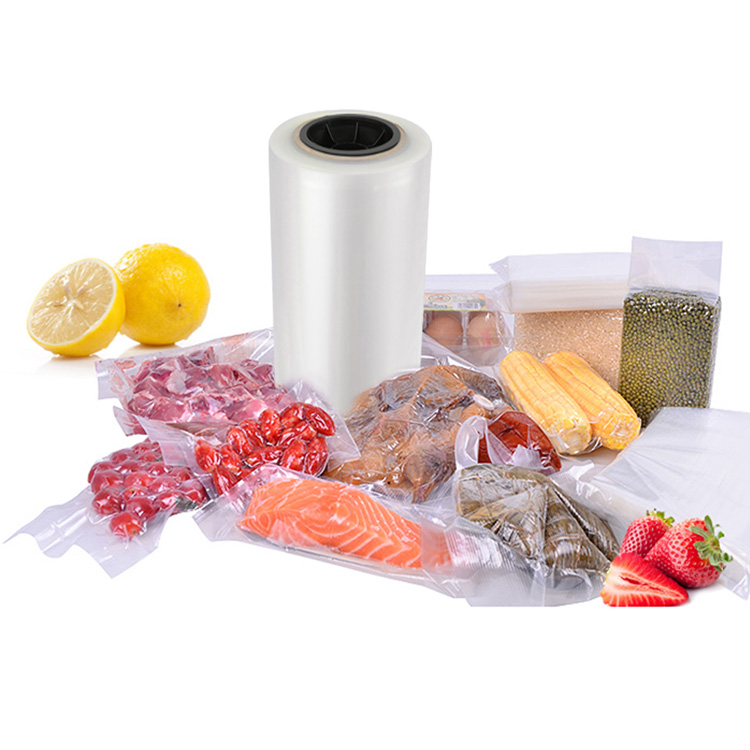
3. Special Uses: If moisture protection or oxidation prevention is required, choose bags with specific functions, such as vacuum packaging bags or aluminum foil bags.
Meeting the needs of specific usage scenarios can effectively improve the practicality of packaging and extend the shelf life of goods.
When purchasing plastic packaging bags, we cannot rely solely on intuition and appearance. Even the simplest paper-plastic bags have underlying science and considerations. By understanding the types of plastics, bag thickness, environmental factors, colors and printing, safety, and choosing the right product based on the usage scenario, we can truly make informed purchases. This not only improves our quality of life but also contributes to environmental protection. Hopefully, this article will help you avoid common selection pitfalls, make more appropriate decisions, and choose more environmentally friendly and safer plastic packaging bags.
相关新闻