How to Choose Freeze-Dried Fruit Packaging Bags? Key Considerations for Moisture-Proof, Nitrogen Filling, and Window Design
How to Choose Freeze-Dried Fruit Packaging Bags? Key Considerations for Moisture-Proof, Nitrogen Filling, and Window Design
Freeze-dried fruit may look lightweight, but its packaging requirements are not low. It has a low moisture content and a crisp texture, making it prone to softening, clumping, and even affecting its aroma and appearance once it absorbs moisture. Many brands focus only on the appearance of the bag when initially selecting packaging, neglecting moisture protection, barrier properties, nitrogen filling space, and transport protection. This can lead to problems later, such as decreased taste, unstable bag bulging, and inconsistent shelf performance.
Therefore, choosing freeze-dried fruit packaging bags should not only consider the bag shape and printing effect, but also start with the product characteristics. First, determine what it is most susceptible to, and then determine the material structure, bag shape, and functional details.
I. Addressing Moisture Prevention is Paramount for Freeze-Dried Fruit Packaging
For products like freeze-dried strawberries, mangoes, apple slices, and durians, the biggest concern is not slight compression, but rather softening after absorbing moisture. If packaging materials lack sufficient moisture barrier properties, the product may gradually lose its original crispness during storage, transportation, and shelf display.
A common practice is to use composite material structures, such as combinations of PET, VMPET, PE, and CPP, adjusting the barrier level based on the product's shelf life, sales channels, and cost requirements. If the product prioritizes aroma and crispness, a higher barrier composite structure can be considered, making the packaging more stable in terms of moisture protection and aroma retention.
Secondly, bag type should be chosen based on sales methods; more complex is not always better.
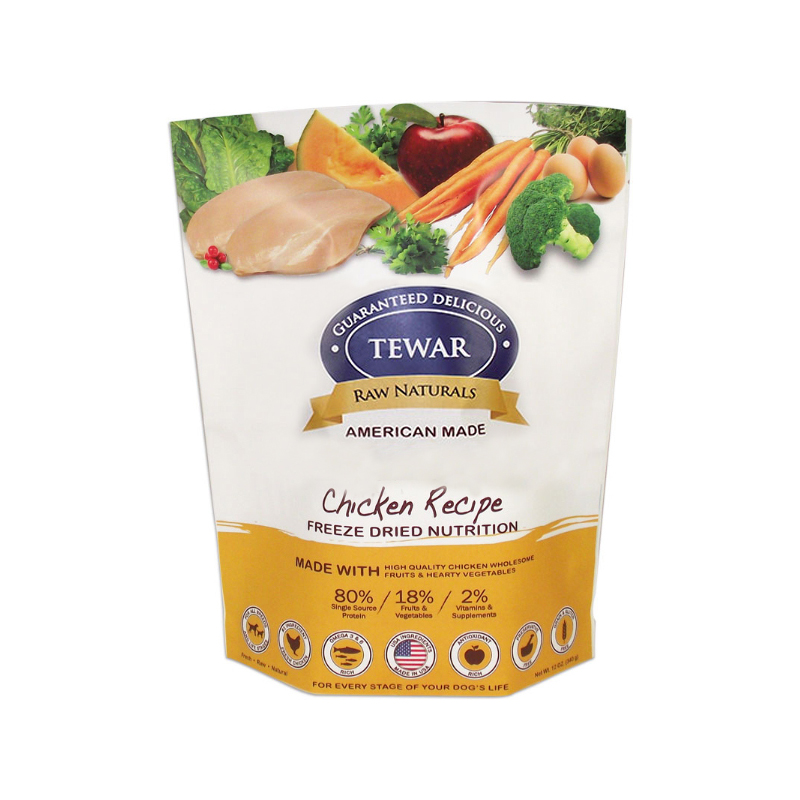
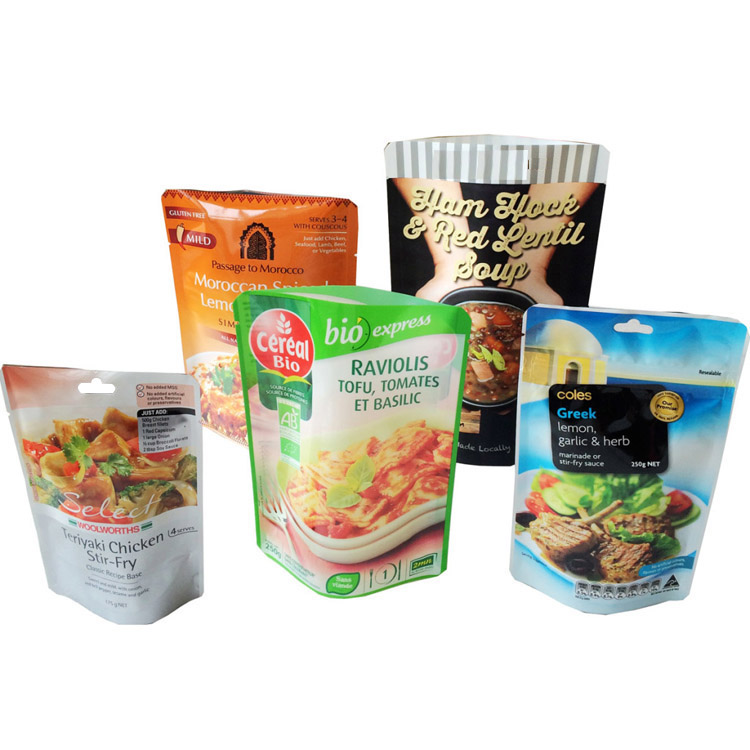
If freeze-dried fruit is primarily sold online, in small packages, or displayed on brand shelves, stand-up pouches are generally easier to visually appealing and allow for the inclusion of details such as zippers, tear-off openings, and windows. For products intended for repeated consumption, zipper structures significantly improve the user experience, making it easier for consumers to preserve remaining contents after opening.
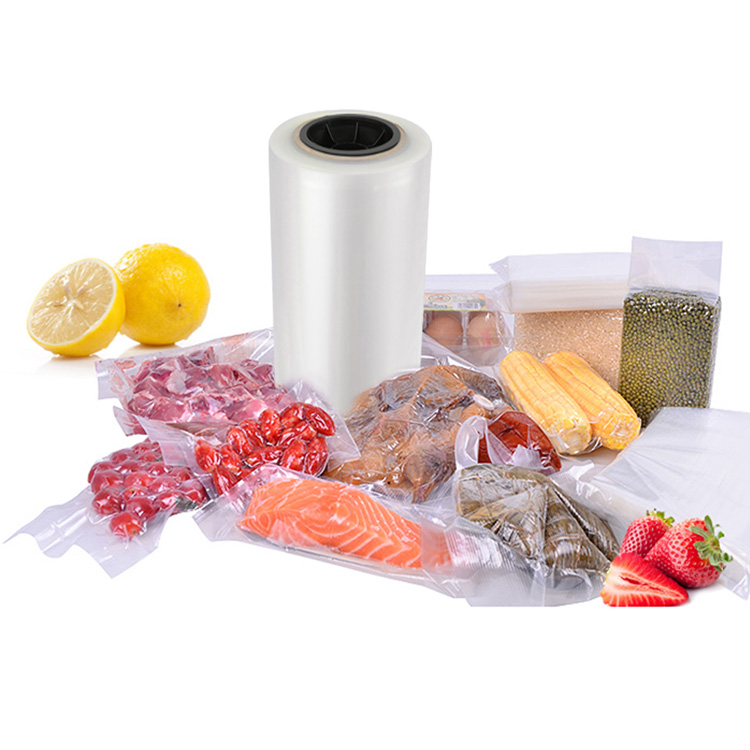
If the product is already on a stable production line with high per-pack volume, or is being filled using automated packaging machines, then roll-film packaging solutions can be considered. Roll film is more suitable for continuous production, but the film width, length, winding direction, color mark position, and heat sealing parameters need to be confirmed beforehand; otherwise, repeated adjustments may be necessary during machine setup.
III. Sufficient Space Should Be Allowed for Nitrogen-Filled Packaging
Freeze-dried fruits are relatively light, and some products are quite brittle. If the space inside the bag is too tight, it is easily crushed during transportation; if the space is too large, the packaging may appear insufficiently full. For products requiring nitrogen-filled protection, bag size, filling volume, and sealing position must all be considered together.
Nitrogen filling is not simply about making the bag larger; it's about maintaining a balance between the product, gas space, and sealing strength. When sampling, it is recommended to test the bag's fullness with the actual filling volume, and then observe whether the seal is flat, whether the bag stands upright easily, and whether the product breakage rate after transportation is acceptable.
IV. Window Designs Should Be Used with Caution
Freeze-dried fruits have bright colors, and many brands want to directly display the contents through transparent windows. While windows can enhance realism, they can also affect overall barrier performance. Especially for products with high moisture requirements, long shelf lives, or complex sales environments, the window area should not be too large.
If you want to balance display and protection, you can choose a small window area, or place the window in a position that does not affect the main visual appeal and structural stability. For products where shelf life is more important, it is recommended to reduce the window area and prioritize material barrier and seal stability.
V. Printing Style Should Match Product Characteristics.
Freeze-dried fruit is a visually appealing food product. Packaging design can highlight the fruit's color, refreshing feel, and naturalness, but it is not recommended to make the layout too cluttered. The front of the bag can prominently display the product name, flavor, net content, and key selling points, while the back can contain ingredients, storage methods, production information, and barcodes.
If using stand-up zipper bags, the front display area is more complete, which can better present the brand visuals; if using roll film small packages, pay special attention to the text size and color block placement to avoid key information being too far to the edge after cutting the bag.
VI. Key Testing Items During Sampling
When sampling freeze-dried fruit packaging, it's recommended not only to consider color and bag shape, but also to test the actual bagging effect. Key observations include whether the bag stands upright easily, whether the seal is flat, whether the zipper operates smoothly, whether the product easily punctures the inner layer, and whether there is significant breakage after transportation and shaking.
If the product requires a longer shelf life, attention should also be paid to material barrier properties, heat seal strength, and sealing stability. Especially for packaging with zippers, windows, or irregular shapes, details need to be confirmed before mass production to avoid problems such as air leakage, wrinkling, weak seals, or inconsistent appearance later.
Conclusion
The core of freeze-dried fruit packaging bags is not just about packing the product, but about maintaining better taste and condition during transportation, display, and consumer use. Moisture protection is fundamental, bag shape determines the display and user experience, nitrogen filling space affects protective effectiveness, and windows and printing affect brand presentation. Clearly specifying the product quantity, shelf life, sales channels, and filling method before customization will result in a more accurate packaging solution and more stable mass production later.