Introduction to Types of Plastic Food Packaging Bags: Safeguarding Food Safety
Introduction to Types of Plastic Food Packaging Bags: Safeguarding Food Safety
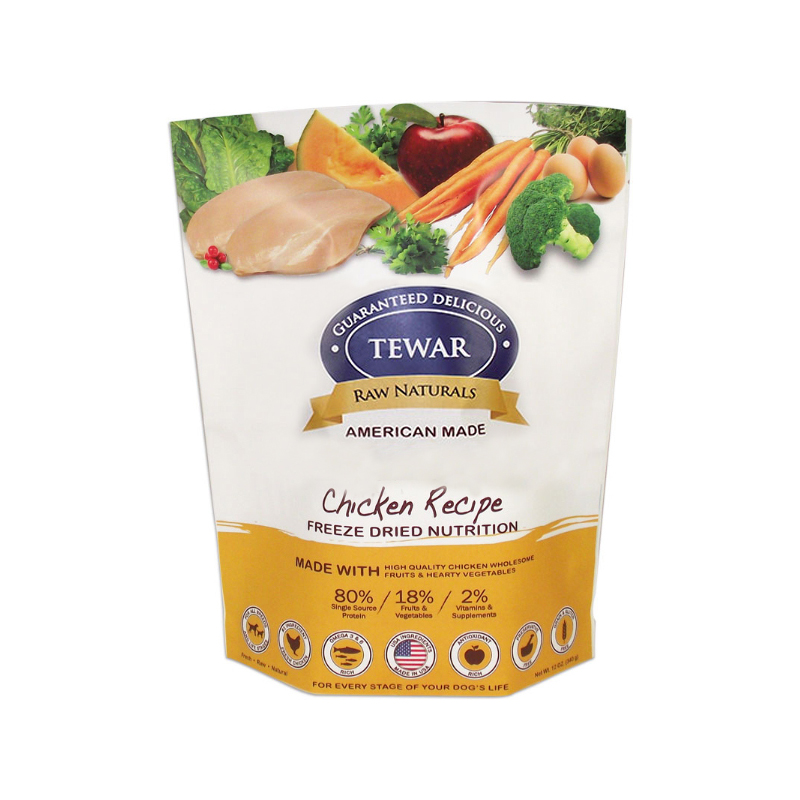
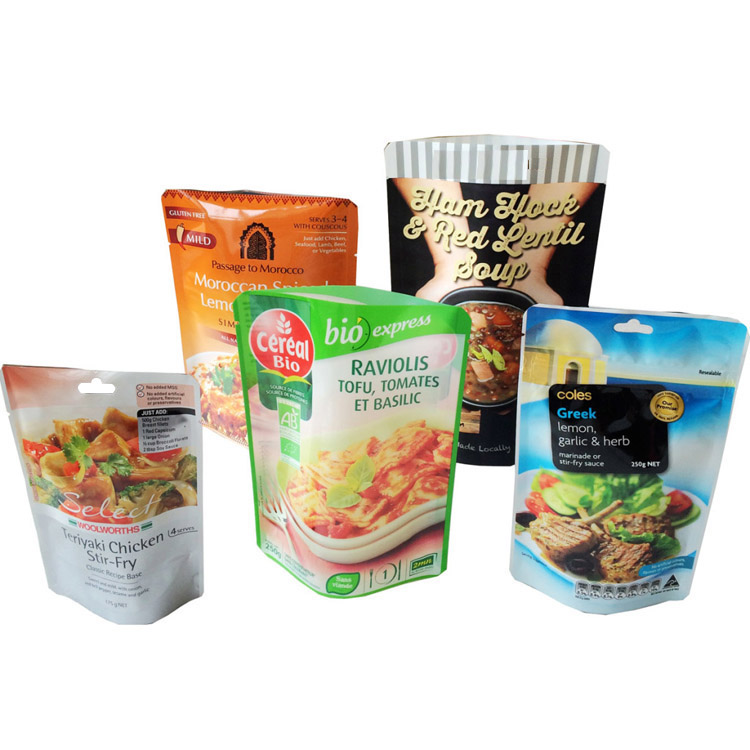
Plastic food packaging bags are ubiquitous in daily life, playing a vital role in preserving food, preventing moisture, and protecting it from contamination. But did you know that these seemingly ordinary bags actually come in many varieties, each with its own unique characteristics? Maode Food Packaging will take you into the world of plastic food packaging bags, explaining their types, properties, and applications.
I. Common Types of Plastic Food Packaging Bags
1. Polyethylene (PE):
Low-density polyethylene (LDPE):** Soft texture, high transparency, commonly used for making bread bags, frozen food bags, etc.
High-density polyethylene (HDPE):** Higher hardness, corrosion resistant, commonly used for making milk bottles, juice bottles, etc.
2. Polypropylene (PP):
Good heat resistance, can withstand high-temperature sterilization, commonly used for making microwaveable food containers, yogurt cups, etc.
3. Polyethylene terephthalate (PET):
High transparency, good barrier properties, commonly used for making beverage bottles, cooking oil bottles, etc.
4. Polyvinyl Chloride (PVC):
Good transparency and flexibility, but may contain harmful substances, so it's used less frequently, commonly found in some cling films.
5. Polystyrene (PS):
Commonly used to make disposable tableware, fast food containers, etc., but has poor heat resistance, not recommended for storing hot food.
6. Polyamide (PA, Nylon):
High heat resistance and strength, commonly used to make high-temperature retort pouches, etc.
7. Composite Plastic Materials:
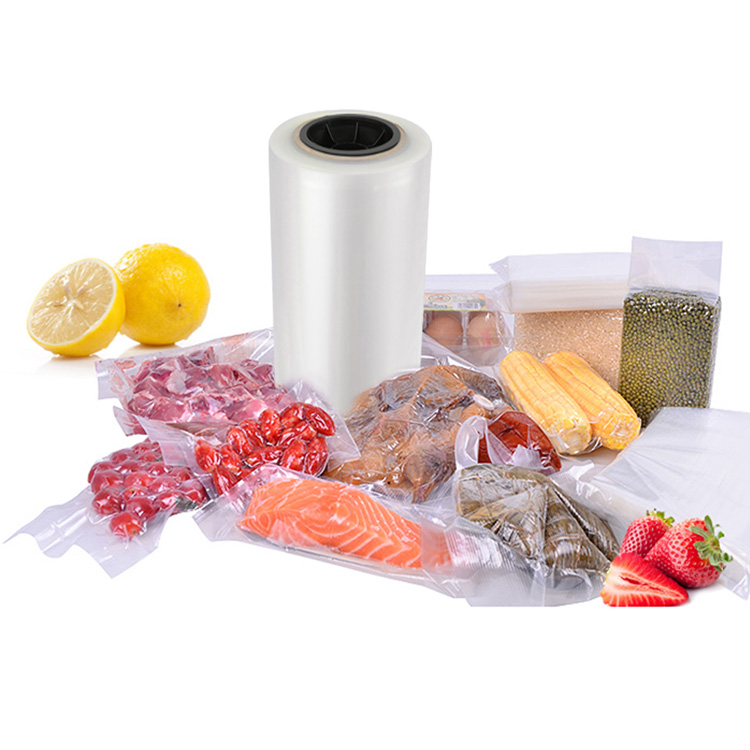
Composed of multiple plastic materials, possessing various properties such as barrier properties and heat resistance, commonly used to make vacuum packaging bags, retort pouches, etc.
8. Biodegradable Plastics:
Such as polylactic acid (PLA), polyhydroxyalkanoates (PHA), etc., environmentally friendly materials that can degrade in the natural environment, and are increasingly used in the food packaging field.
II. How to Choose the Right Plastic Food Packaging Bags Choosing the right plastic food packaging bags requires considering the following factors:
1. Food Characteristics: Different foods have different requirements for the barrier properties, heat resistance, oil resistance, etc., of the packaging bags. 2. Packaging Requirements: For example, is vacuum packaging or high-temperature retorting required?
3. Environmental Requirements: Choose biodegradable plastic packaging bags to reduce environmental pollution.
III. Precautions for Using Plastic Food Packaging Bags
1. Carefully check the markings on the packaging bag to understand its material and intended use.
2. Avoid using inferior plastic packaging bags to prevent harmful substances from migrating into food.
3. Do not reuse disposable plastic packaging bags.
4. Sort and recycle discarded plastic packaging bags to reduce environmental pollution.
IV. Future Development Trends
With increasing environmental awareness and technological advancements, future plastic food packaging bags will develop in the following directions:
1. Biodegradable and Recyclable: Develop more environmentally friendly plastic materials to reduce environmental pollution.
2. High Performance: Improve the barrier properties and heat resistance of packaging bags to extend food shelf life.
3. Intelligent: Develop intelligent packaging bags with functions such as preservation and antibacterial properties.