About Us
5 Key Packaging Tips for Small Businesses: From Eco-Friendliness to Budget, All in One Go
Views : 334
Update time : 2026-03-27 14:54:22
1. Choose Sustainable Packaging
Today's consumers and regulations are driving low-carbon and plastic-reducing practices. Recyclable and compostable solutions not only reduce environmental impact but also convey your brand value to customers. Early adoption of eco-friendly materials gives you a competitive edge before regulations tighten, leading to better brand image and reputation.Implementation Key Points
Define your primary material path: paper-based (recyclable), bio-based film (compostable), single-material plastic (easier to recycle).
Clearly indicate disposal methods on product pages and outer packaging (e.g., "Please Recycle" icon).
Optimize usage: Reduce excessive packaging and minimize gaps.
2. Use the Right Materials and Structures to Ensure Protection
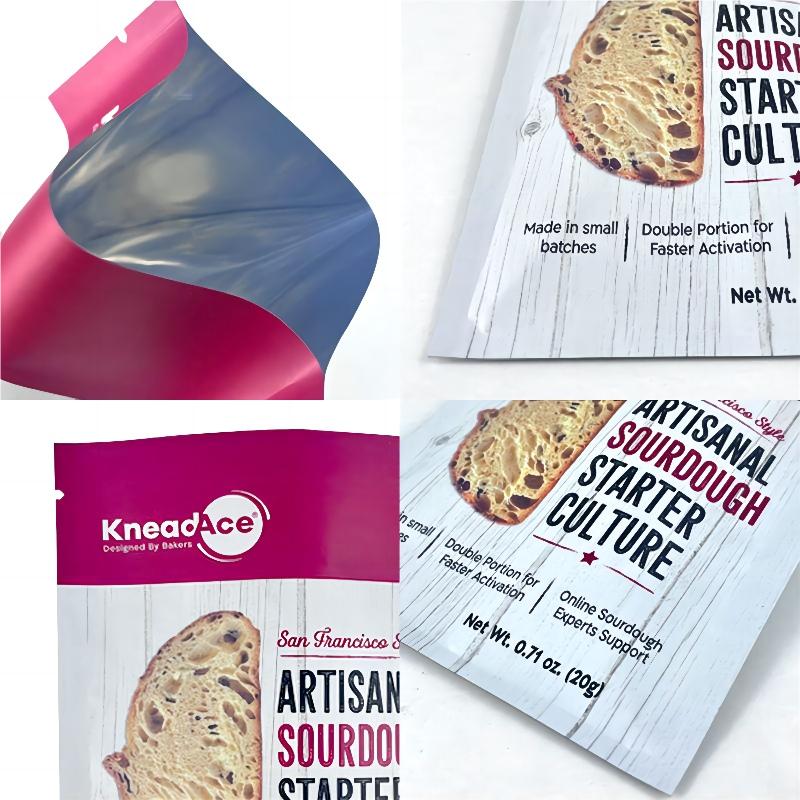
Aesthetics are important, but durability and protection are fundamental. Transportation, stacking, sunlight, and high humidity can all damage products and reputation. Appropriate materials, structures, and cushioning can significantly reduce breakage rates, returns, and negative reviews.
Checklist
Shipping Link: Does the courier service involve multiple transfers? Does it require pressure resistance, drop resistance, and moisture resistance?
Usage Environment: Cold chain/normal temperature, outdoor/indoor, exposure to direct sunlight/rain.
Structure Selection: Window/flap/airplane box/mailing bag, with honeycomb paper, paper-plastic inner tray, or inflatable bag.
Labels and Inks: Abrasion resistant, water/oil resistant (especially crucial for food and daily chemical products).
3. Maintain Brand Consistency Across All Touchpoints
Packaging is a "silent salesperson." From logo, color, font, tone to the unboxing experience, consistency is key to conveying professionalism and trust. Uniform brand packaging boxes, bags, and labels make the brand instantly recognizable both online and offline.Implementation Recommendations
Create a brand style guide (colors, grid, white space, material application).
Important Information Layering: Front highlighting selling points, side specifications, back story and compliance information.
Subtle Touches: Sealing stickers, thank-you cards, and exchange cards enhance unboxing surprise and repeat purchases.
4. Make Products More Eye-Catching on Shelves and Screens
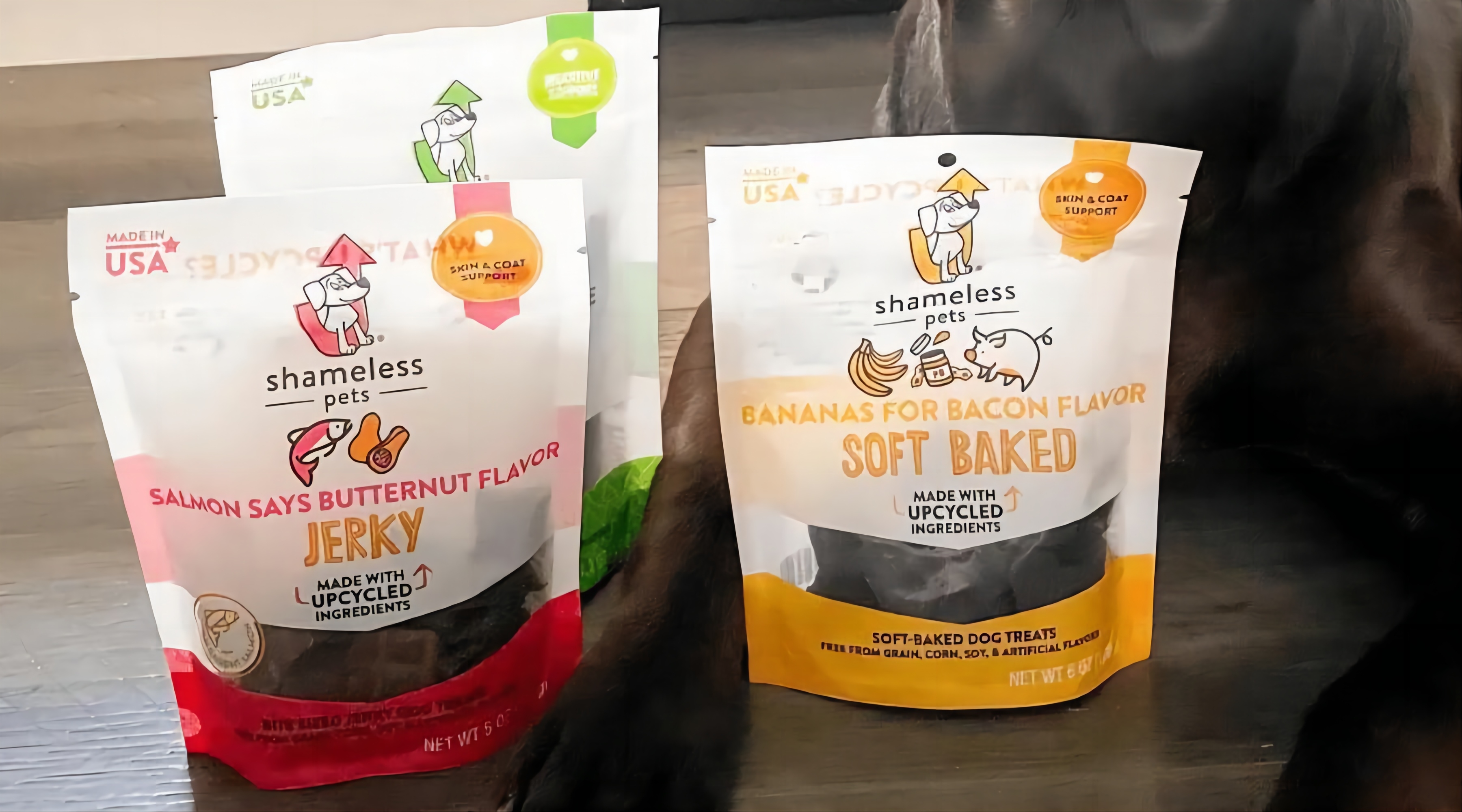
When sharing shelf space or using e-commerce dropdown layouts, first impressions are crucial. Enhance brand recognition with colors, textures, and processes that represent the brand's personality (e.g., matte/glossy finish, embossing, partial lighting, metallic effects), but always within the bounds of brand positioning and target customer group.
Design Tips
3-Second Rule: Identify the category and differentiating features within 3 seconds.
Two Levels of Information: Recognize the brand and category from a distance; understand the selling points and specifications up close.
Readability First: Clear font size, contrast, and hierarchy; standardized barcodes/compliance markings.
5. Smart Packaging Within Budget
"Premium feel ≠ high budget." The key is balancing cost × function × design. Achieve both quality and cost through bulk ordering, plate reuse, size standardization, and collaboration with reliable suppliers.
Cost-Saving Strategies
Use universal die-cutting molds and standard specifications to reduce prototyping and cutting costs.
Choose a single-material construction (easier to recycle and often more economical).
Concentrate high-cost processes on key visible surfaces, keeping the rest simple.
Assess lifecycle costs (breakage rate, shipping volume, warehousing) with suppliers.
相关新闻