A Comprehensive Analysis of Flexible Packaging Technology: Structure, Process, and Future Trends
Flexible packaging, as an important direction in modern packaging technology, is widely used in various fields such as food, daily chemicals, pharmaceuticals, and pet food due to its advantages such as lightweight, environmental friendliness, and efficient printing. This article will comprehensively analyze the key technologies and development directions of flexible packaging from the perspectives of structural design, material application, production processes, and sustainability trends.
I. What is Flexible Packaging?
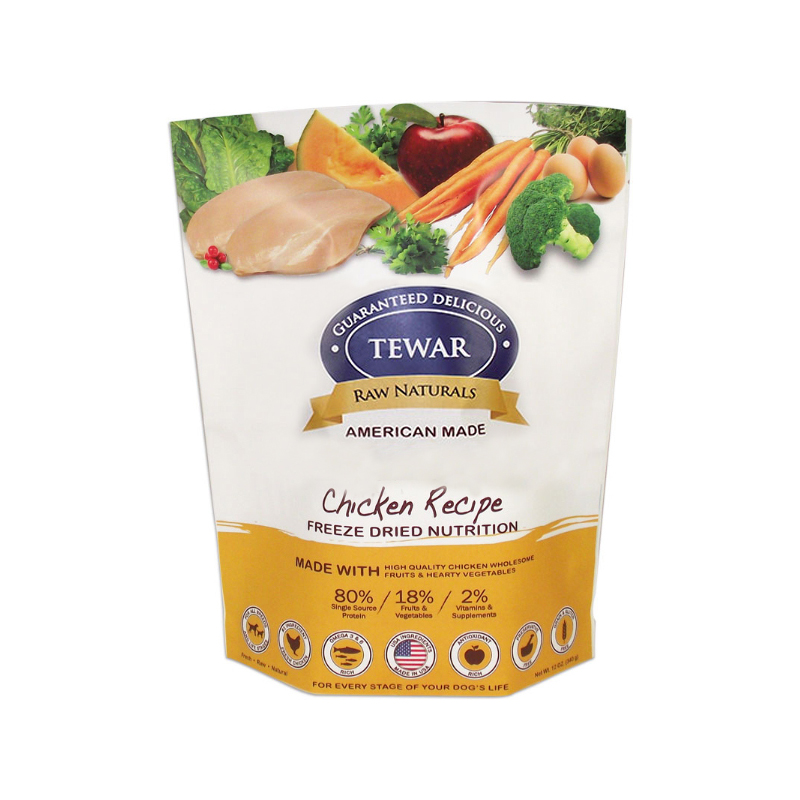
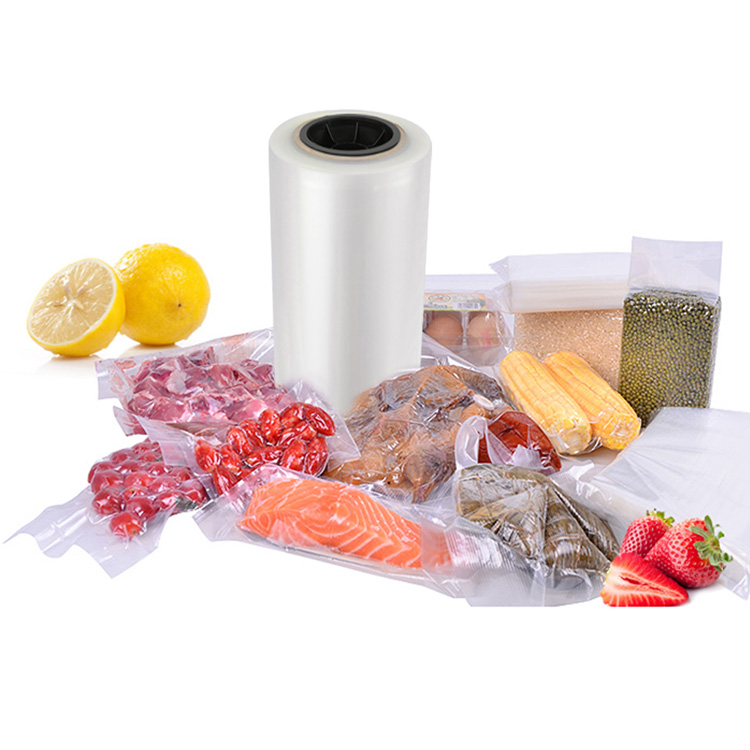
Flexible packaging refers to a flexible packaging form made from plastic film, paper, metal foil, or their composite materials through processes such as printing, lamination, slitting, and bag making. Compared to traditional rigid packaging (such as bottles, cans, and boxes), flexible packaging has advantages such as being lightweight, material-saving, and rollable for transportation, making it the fastest-growing category in the contemporary packaging industry.
II. Common Flexible Packaging Material Structures
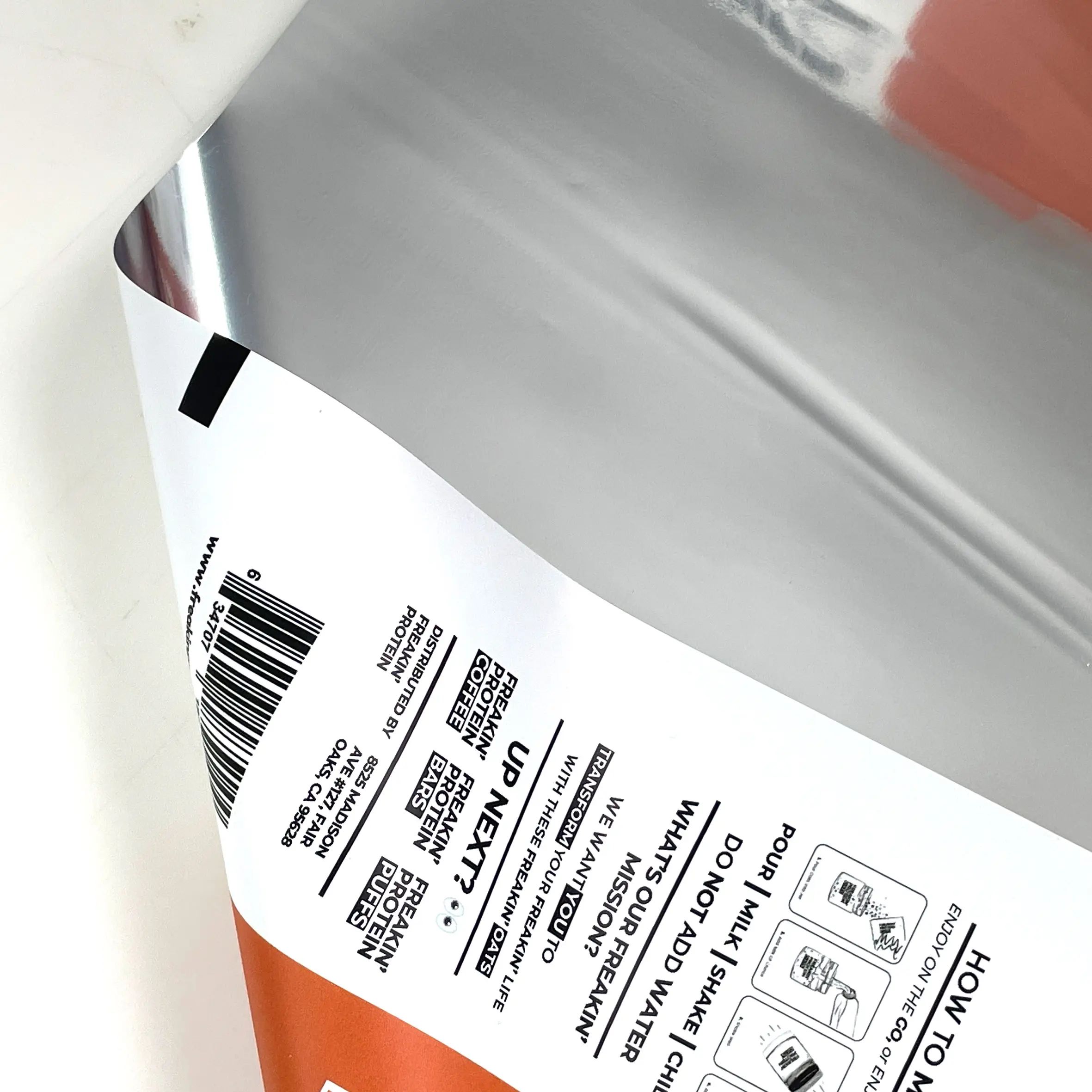
The performance of flexible packaging mainly depends on its structural design and material combination. Different products require different barrier properties, stiffness, heat-sealing performance, and puncture resistance. The following are common structures:
| Structure Type | Characteristics and Performance | Typical Applications |
|---|---|---|
| PET / PE | Transparent, aesthetically pleasing, good heat-sealing properties, suitable for lightweight goods | Snack bags, face mask bags, coffee bean bags. |
| NY / PE | Puncture resistant, impact resistant, suitable for frozen products | Frozen food bags, liquid packaging bags |
| PET / AL / PE | Excellent light and oxygen barrier properties, extending shelf life | Condiment, coffee, pharmaceutical packaging |
| All PE/All PP | Single material structure, easy to recycle, sustainable and environmentally friendly. | Environmentally friendly packaging solutions, packaging in the new energy field |
III. Core Processes of Flexible Packaging
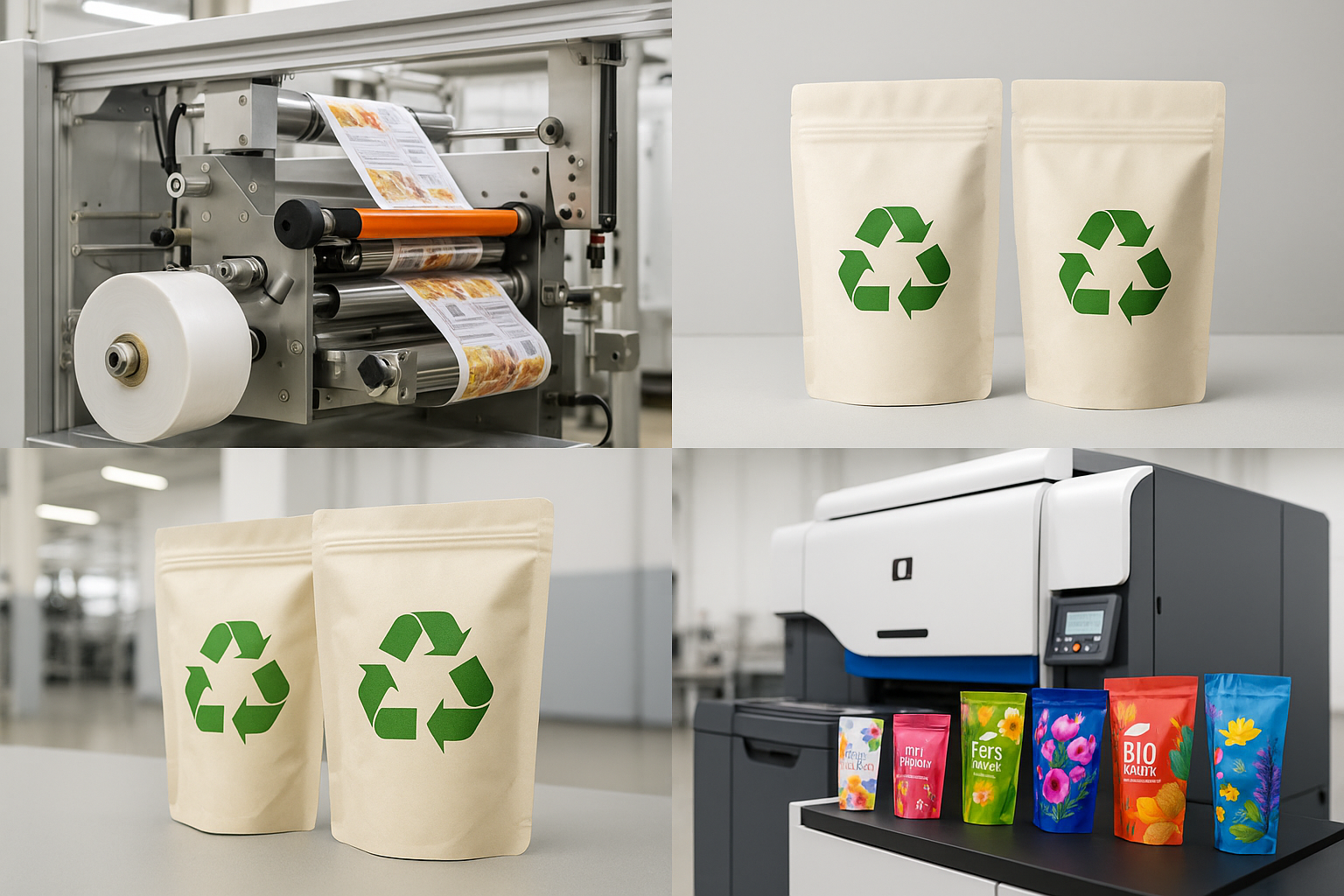
Printing: Gravure, flexographic, or digital printing are commonly used. Digital printing allows for plate-free, small-batch, and rapid sampling.
Lamination: Combining different functional layer materials into a multi-layer structure improves barrier properties and mechanical strength.
Curing: Curing adhesives in a constant temperature environment ensures strong interlayer adhesion.
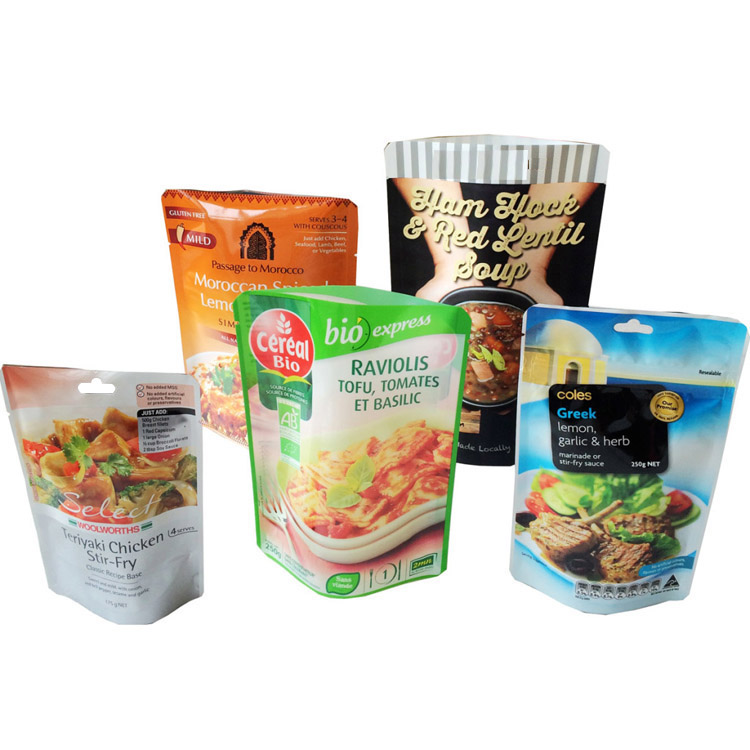
Slitting and Bag Making: Slitting according to specifications and heat-sealing to form three-side seal, stand-up pouch, zipper pouch, and other structures.
IV. Main Advantages of Flexible Packaging
Lightweight:
Energy Saving and Consumption Reduction:
High Printability
Multifunctional:
V. Sustainability and Environmental Trends
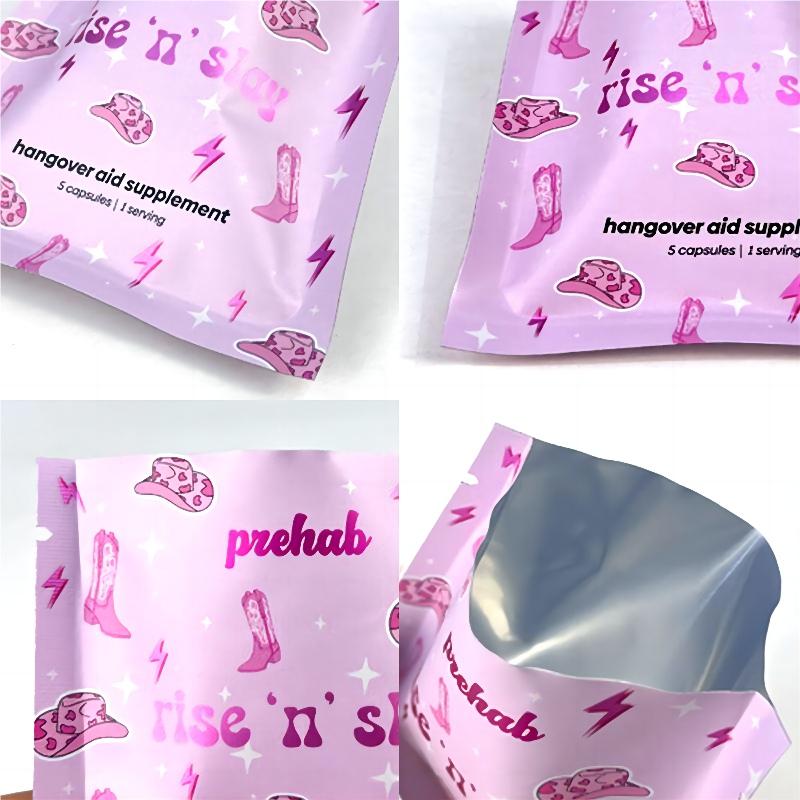
Single Material Structure: Such as all-PE or all-PP, enabling end-of-life recycling.
Water-based and Solvent-free Composites: Reduce VOC emissions, making it more environmentally friendly and safer.
PCR Recycled Materials: Utilizes recycled plastics from post-consumer plastics for bag production.
Degradable Materials: Bio-based materials such as PLA and PBAT are gradually maturing.
International brands have pledged to achieve 100% recyclable or reusable packaging by 2030, driving green innovation in the flexible packaging sector.
VI. Digital Printing and Smart Packaging
VII. Summary and Recommendations
Technological innovation and sustainability trends in flexible packaging are changing the entire packaging industry. When choosing a solution, businesses should comprehensively consider product attributes, usage environment, brand positioning, and environmental regulations. By rationally designing the structure and printing methods, they can not only improve packaging performance but also contribute to upgrading brand value.