About Us
Does using vacuum bags for food preserve freshness?
Views : 269
Update time : 2026-07-22 11:14:10
Does using vacuum bags for food preserve freshness?
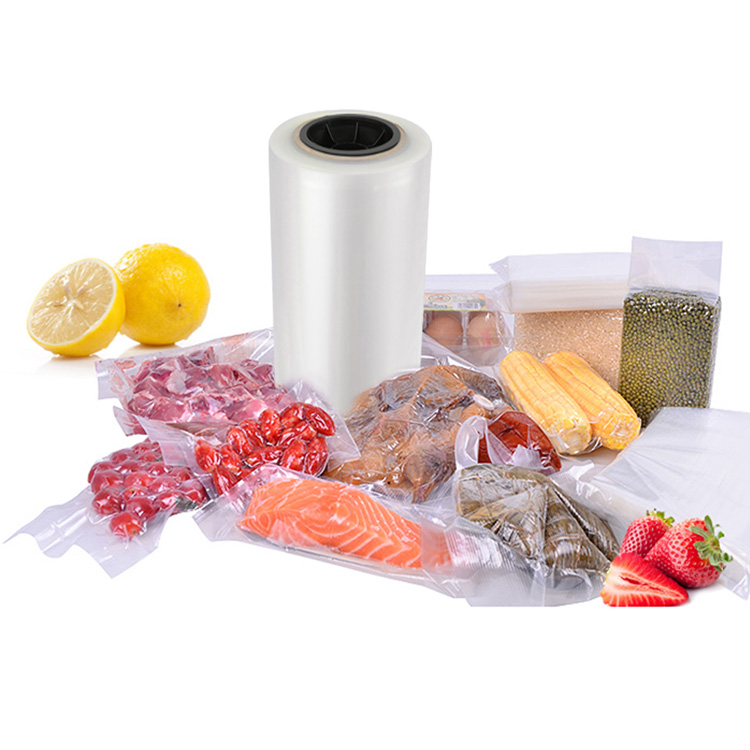
Using vacuum bags for food does indeed have a significant preservation effect. This preservation effect mainly stems from several characteristics and working principles of vacuum bags:
Preservation Principles
**Oxygen Removal and Bacterial Inhibition:** By removing air, especially oxygen, from the bag, vacuum bags effectively inhibit the growth and reproduction of microorganisms such as mold and aerobic bacteria. These microorganisms typically require oxygen to respire and grow; the vacuum environment significantly reduces their survival conditions, thus extending the shelf life of food.
**Oxidation Inhibition:** Oxygen is one of the main factors causing food oxidation and spoilage. Vacuum packaging significantly reduces the contact between food and oxygen, slowing down the oxidation rate of oils and fats, and preventing food spoilage due to oxidation.
**Maintaining Humidity and Gaseous Environment:** For fruits and vegetables, vacuum packaging reduces oxygen content while maintaining a certain level of humidity. It also produces carbon dioxide through anaerobic respiration, creating a low-oxygen, high-carbon dioxide, and high-humidity environment. This environment helps reduce transpiration, respiration, and ethylene production in fruits and vegetables, reducing nutrient consumption and thus achieving the purpose of preservation.
Specific Manifestations of Preservation Effects
Extended Shelf Life: Vacuum packaging significantly extends the shelf life of food, especially perishable foods such as meat, seafood, fruits, and vegetables. By reducing microbial growth and oxidation, vacuum packaging maintains the freshness and taste of food for a longer period.
Maintaining Quality: Vacuum packaging also helps maintain the color, aroma, flavor, shape, and nutritional value of food. Because it reduces the impact of external factors such as oxygen and humidity, vacuum-packed food maintains better quality within its shelf life.
Convenient Storage and Transportation: Vacuum packaging also has advantages such as resistance to mechanical pressure and reduced vibration, which is beneficial for long-distance transportation and long-term storage of food. At the same time, vacuum-packed food occupies less space, improving storage and transportation efficiency.
Scope of Application
While vacuum packaging has many advantages, it is not suitable for preserving all foods. It is mainly suitable for the following food types:
Cured Products: such as sausages, ham sausages, pickled vegetables, dried radish, etc.
Fresh Meats: such as beef, lamb, pork, etc.
Soy Products: such as dried tofu, red bean paste, etc. Cooked products: such as beef jerky, roast chicken, etc.
Convenience foods: such as rice, canned vegetables, etc.
Fruits and vegetables: Preservation is achieved by controlling the gas environment.
In addition, vacuum packaging is also suitable for preserving pharmaceuticals, chemical raw materials, metal products, electronic components, textiles, medical supplies, and cultural relics.
Precautions
When using food vacuum bags, the following points should be noted to ensure preservation:
Choose vacuum bags that meet food safety standards.
Operate the vacuum packaging machine correctly according to the instruction manual.
Avoid vacuum packaging fragile, sharp-edged, or soft and easily deformable foods to prevent damage to the packaging or affecting the preservation effect.
When storing vacuum-packed food, pay attention to environmental factors such as temperature and humidity to avoid extreme conditions that may adversely affect the food.
In conclusion, using food vacuum bags does have a significant preservation effect and is one of the important means to extend the shelf life of food and maintain its quality.
Related News