How to Judge the Quality of Plastic Packaging?
How to Judge the Quality of Plastic Packaging?
Plastic packaging is ubiquitous in our lives, playing a vital role in everything from food packaging to electronic product packaging. However, faced with the dazzling array of plastic packaging on the market, how do we judge its quality and choose safe, environmentally friendly, and suitable products? Maode Plastic Packaging will provide a detailed analysis from the following aspects:
I. Appearance Judgment
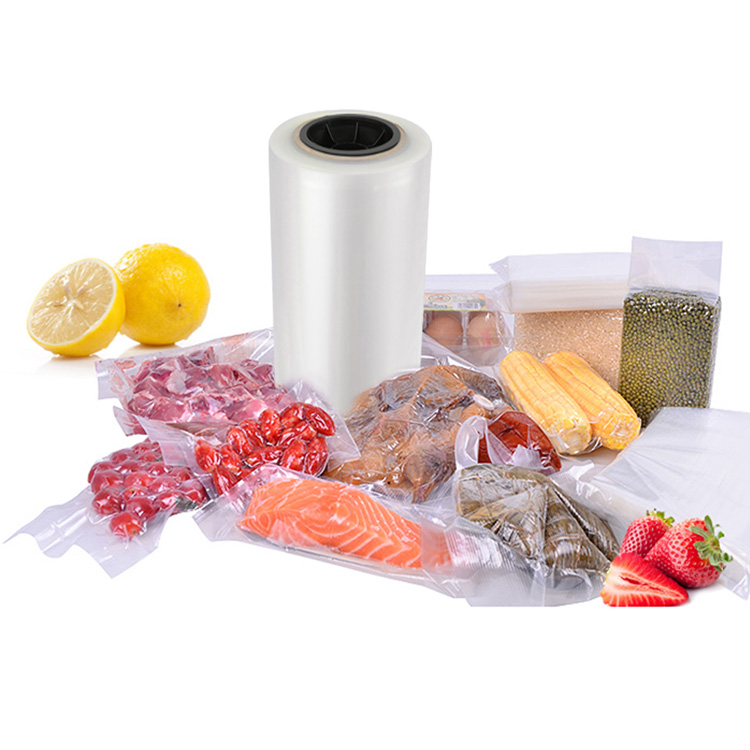
1. Transparency: High-quality plastic packaging typically has high transparency, with no obvious impurities, bubbles, or cloudiness. For example, high-quality PET beverage bottles have high transparency, allowing you to clearly see the liquid inside.
2. Color: The color is uniform and consistent, without color difference, fading, or discoloration. For example, high-quality PE cling film has a uniform color, without yellowing or whitening.
3. Surface Smoothness: The surface is smooth and flat, without burrs, scratches, dents, or protrusions. For example, high-quality PP lunch boxes have a smooth surface, no burrs, and a comfortable feel.
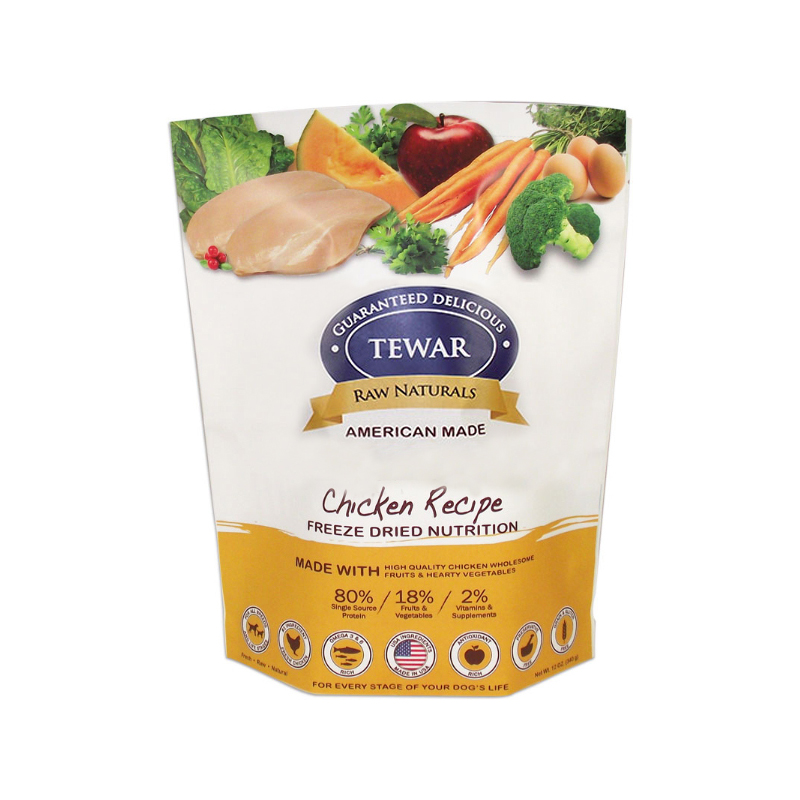
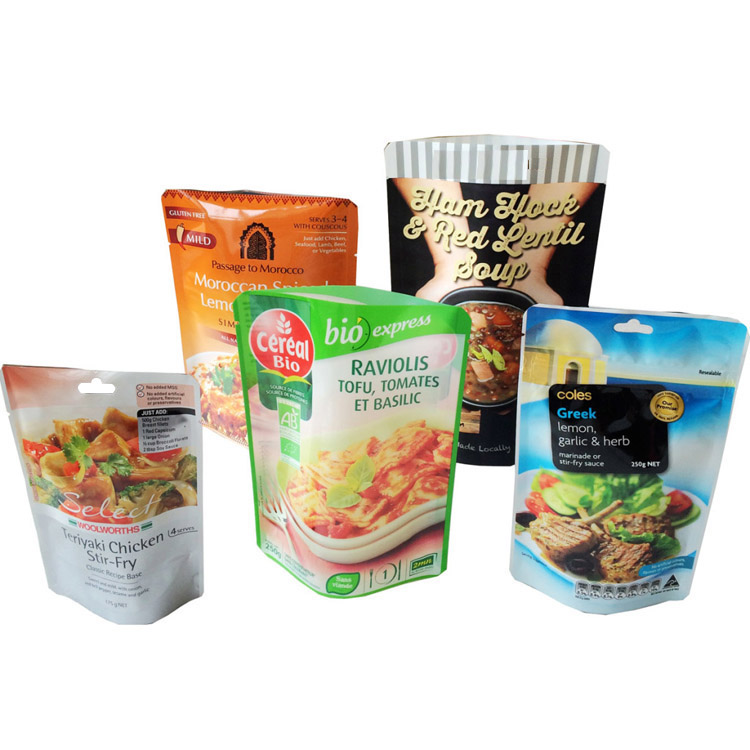
4. Printing Quality: The printed pattern is clear, the colors are vibrant, and the registration is accurate, with no missing prints, misprints, or ghosting. For example, high-quality food packaging bags have exquisite printing, clear patterns, and vibrant colors.
II. Physical Performance Testing
According to relevant regulations, the thickness of plastic bags sold on the market must not be less than 0.025 mm. Customized plastic bags on the market usually indicate their thickness, and most products' indicated thickness meets or exceeds this standard. However, some merchants falsify thickness markings to sell plastic bags that do not meet the standard. Therefore, it is recommended that consumers use a thickness gauge to measure the actual thickness of the product when purchasing plastic bags to ensure that it meets the prescribed standards.
1. Thickness: Use a thickness gauge to measure the thickness of the plastic packaging to ensure that it meets relevant standards and requirements. For example, the thickness of food packaging bags should meet its load-bearing and barrier performance requirements.
2. Tensile Strength: Use a tensile testing machine to test the tensile strength of the plastic packaging to determine its tensile properties. For example, high-quality PE stretch film has high tensile strength and can withstand greater tensile forces without easily breaking. 3. Tear Strength: Use a tear strength tester to test the tear strength of plastic packaging to determine its tear resistance. For example, high-quality shopping bags have high tear strength and are not easily torn.
4. Impact Strength: Use an impact testing machine to test the impact strength of plastic packaging to determine its impact resistance. For example, high-quality plastic bottles have high impact strength and are not easily broken.
III. Chemical Performance Testing
In the printing process of customized plastic bags, the choice of ink is crucial, as it directly affects the safety and quality of the plastic bag. If ink containing harmful substances is used, it may cause the ink to rub off upon contact with edible oil, thus contaminating food. Therefore, when purchasing plastic bags printed with patterns or text, you can test the stability of the ink by applying edible oil. Furthermore, it is particularly important to note that colored plastic bags are not suitable for food packaging, as they may contain harmful substances such as aromatic hydrocarbons. Long-term exposure may pose a threat to human health and even increase the risk of cancer.
1. Odor: Smell the plastic packaging for any odor. Inferior plastic packaging may contain harmful substances and emit a pungent smell. For example, high-quality food packaging bags are odorless and will not affect the taste of food.
2. Migration: A migration tester is used to test the migration amount of harmful substances in plastic packaging to ensure it meets relevant food safety standards. For example, the migration amount of plasticizers in food packaging bags should meet national standards to ensure food safety.
3. Heat Resistance: The plastic packaging is placed in a high-temperature environment to observe whether it deforms, melts, or releases harmful substances. For example, high-quality PP food containers can withstand high temperatures and are suitable for microwave heating.
IV. Functional Testing
1. Sealing Performance: The sealing performance of the plastic packaging is tested to ensure it can effectively prevent leakage of contents or external contamination. For example, high-quality food packaging bags have good sealing performance, which can effectively prevent food spoilage.
2. Barrier Properties: The barrier properties of the plastic packaging against substances such as oxygen, water vapor, and light are tested to ensure it can effectively protect the contents. For example, high-quality aluminum foil bags have good barrier properties, which can effectively extend the shelf life of food.
3. Biodegradability: For biodegradable plastic packaging, its degradation performance needs to be tested to ensure it can degrade in the natural environment, reducing environmental pollution.
Judging the quality of plastic packaging requires comprehensive consideration of multiple aspects, including appearance, physical properties, chemical properties, and functionality. When purchasing plastic packaging, consumers should carefully check product labels, choose products from reputable manufacturers, and select appropriate materials and specifications based on their actual needs. At the same time, they should also pay attention to the environmental impact of plastic packaging, choosing biodegradable and recyclable products whenever possible to contribute to environmental protection.