About Us
Food Flexible Packaging Material Selection and Structural Design Guide: Quick Selection and Prototyping from an Engineering Perspective
Views : 265
Update time : 2026-06-11 10:53:43
Food Flexible Packaging Material Selection and Structural Design Guide: Quick Selection and Prototyping from an Engineering Perspective
This guide analyzes the material selection logic and structural design methods for food flexible packaging from both factory and engineering perspectives. It systematically explains the differences between transparent structures, high-barrier structures, and frozen/retortable packaging. Combining prototyping and mass production experience, it helps companies control costs while meeting shelf-life and usage scenario requirements.
When selecting materials for food flexible packaging, first clarify the "usage scenario."
When prototyping and mass-producing flexible packaging at the factory level, the starting point for material selection is never "which film is more advanced," but rather considering the performance requirements of the product under storage environment, shelf life, and filling/packaging methods: barrier properties, moisture resistance, oil resistance, low-temperature resistance, retort resistance, heat seal strength, puncture resistance, etc. Choosing the right material structure ensures more stable printing and lamination, reducing the likelihood of problems such as air leakage, bubbling, delamination, and poor sealing in the finished product.
Key principles for material selection: First determine the "functional layer," then the "appearance layer."
1) Functional Layer: Barrier, Moisture-proof, Oil-resistant, Temperature-resistant
Preservation/Anti-oxidation: Prioritize high-barrier solutions (such as those containing aluminum foil or high-barrier film layers) to prevent aroma evaporation and oxidation.
Moisture-proof: For sugary, powdered, and dried goods, focus on moisture barrier and sealing reliability; the structure must also accommodate heat-sealing windows.
Oil-resistant: Nuts, sauces, and cooked foods require higher requirements for the inner layer's oil resistance and composite strength to prevent oil seepage and delamination.
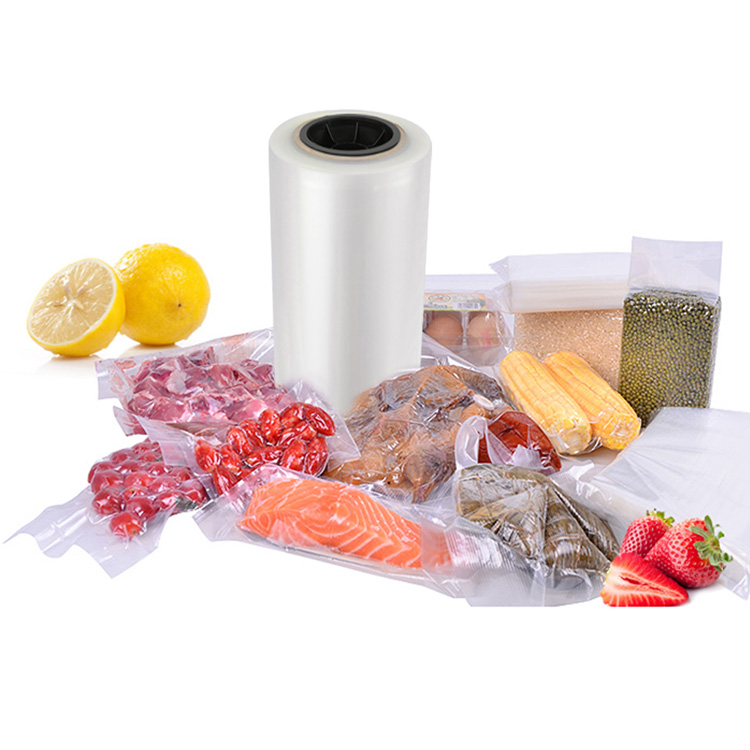
Low-temperature/Steaming Resistance: For frozen foods, consider low-temperature toughness; for steamed foods, consider temperature resistance rating and compatibility with the composite adhesive system.
2) Appearance Layer: Printability, Stiffness, and Touch
The outer layer typically handles printing and display, ensuring stable graphics and consistent colors while maintaining the finished product's stiffness and feel. The factory will match the most suitable outer layer material and surface treatment solution based on the printing method, ink system, and surface finish (coating/matte, etc.).
Six parameters to confirm at once before sampling and mass production:
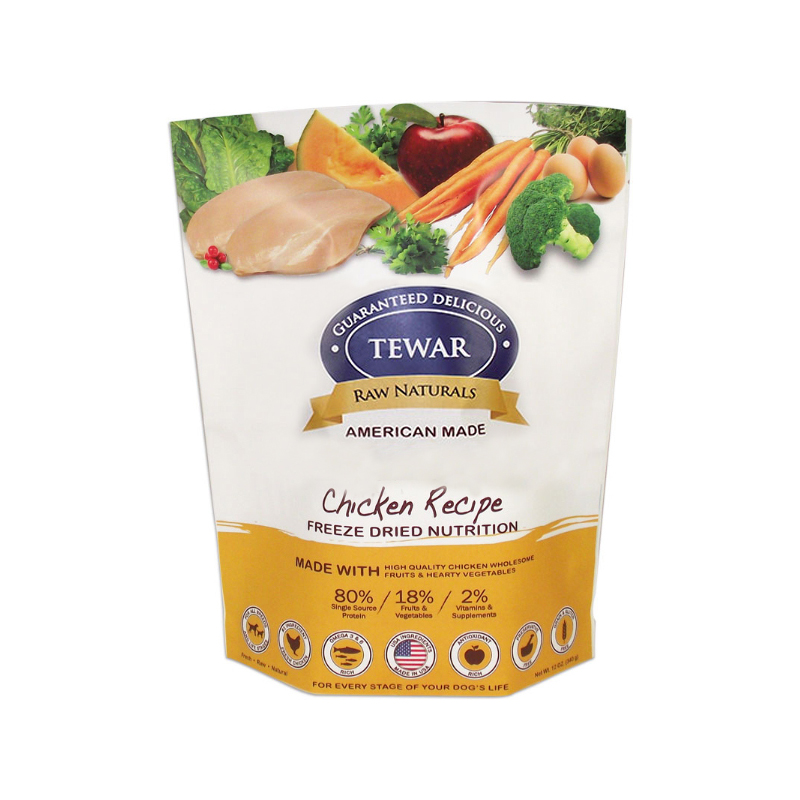
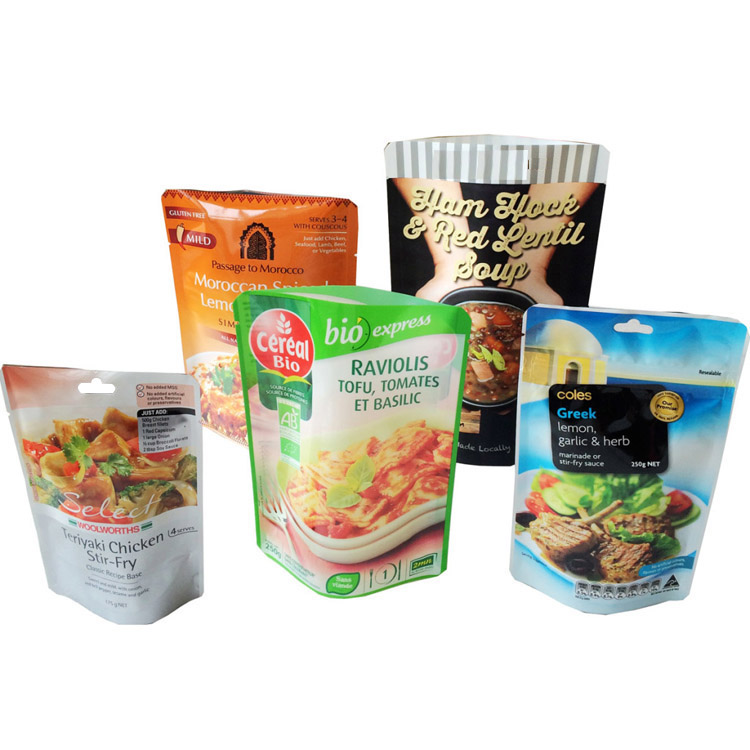
Bag type and size: Three-side seal/stand-up/eight-side seal/sponge bag; length, width, bottom, and seal dimensions.
Target shelf life and storage conditions: Room temperature, refrigeration, freezing, and protection from light.
Content characteristics: Contains oil, sugar, alcohol, and is it volatile/oxidizable?
Filling/packaging method: Manual filling, automatic packaging machine, nitrogen filling/vacuum filling, etc.
Surface finish and processes: Glossy/matte film, spot UV coating, hot stamping, etc. (It is recommended to concentrate these processes in the main visual area).
Quantity and delivery schedule: Initial order sampling + small batch, or direct bulk production; this facilitates factory production scheduling and raw material matching.
Engineering Recommendation: Replace "Experience-Based Decisions" with "Small-Scale Tests"
From an engineering perspective, the most cost-effective approach is not to pursue the "strongest structure" from the outset, but rather to conduct a small-scale test in the target scenario first: sealing strength, drop test, oil resistance, and changes in appearance and odor under low/high temperature conditions. Only after successful verification should mass production parameters be determined, which can significantly reduce mass production risks and communication costs.
Related News