Packaging Roll Film Customization Guide
Packaging Roll Film Customization Guide
How to Choose Custom Packaging Roll Film: Working Back from "Machine Stability" to Determine Material Structure and Key Parameters
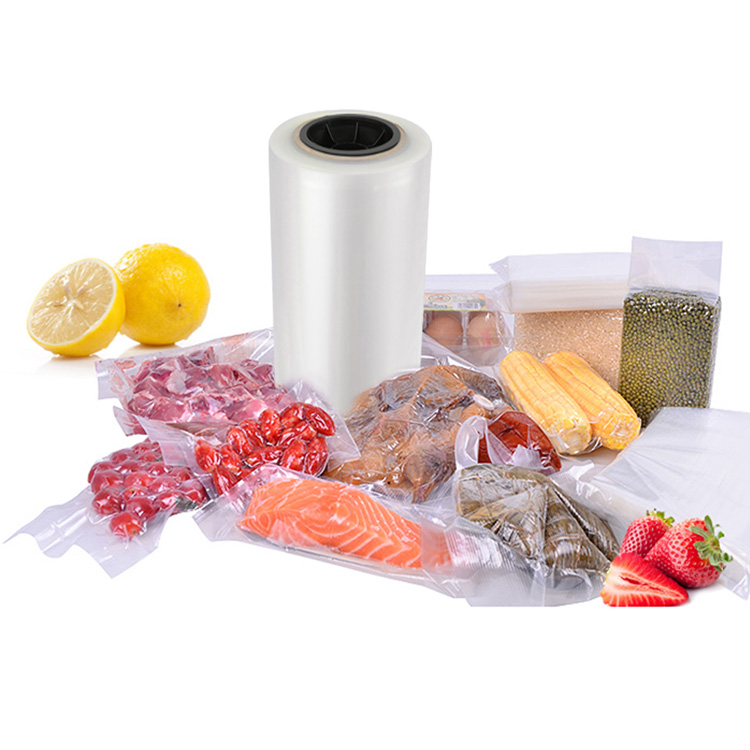
Packaging roll film (composite printed roll film, roll film for automatic packaging machines) is essentially a combination of "material structure + printing composite process + slitting and winding standards." The roll film completes film feeding, forming/bag making, filling, sealing, and cutting on the equipment. The final performance indicators are not based on "film thickness," but on downtime, leak sealing rate, registration stability, and appearance consistency.
Roll Film Solution Highlights
Machine-Friendly: Prevents film deviation, stable tension response, and sensitive color mark tracking, reducing frequent machine adjustments and roll change losses.
Reliable Sealing: Wider heat sealing window, providing a certain degree of "anti-contamination sealing" capability, reducing air leakage and bag bursting.
Superior Display: Consistent color, wear-resistant and colorfast, good composite flatness, reducing visual loss caused by bubbling/tunneling/wrinkles.
Reproducible Delivery: Standardized parameters (film width, roll length, core, winding direction, COF, etc.) ensure stable and controllable batch production.
Applications:
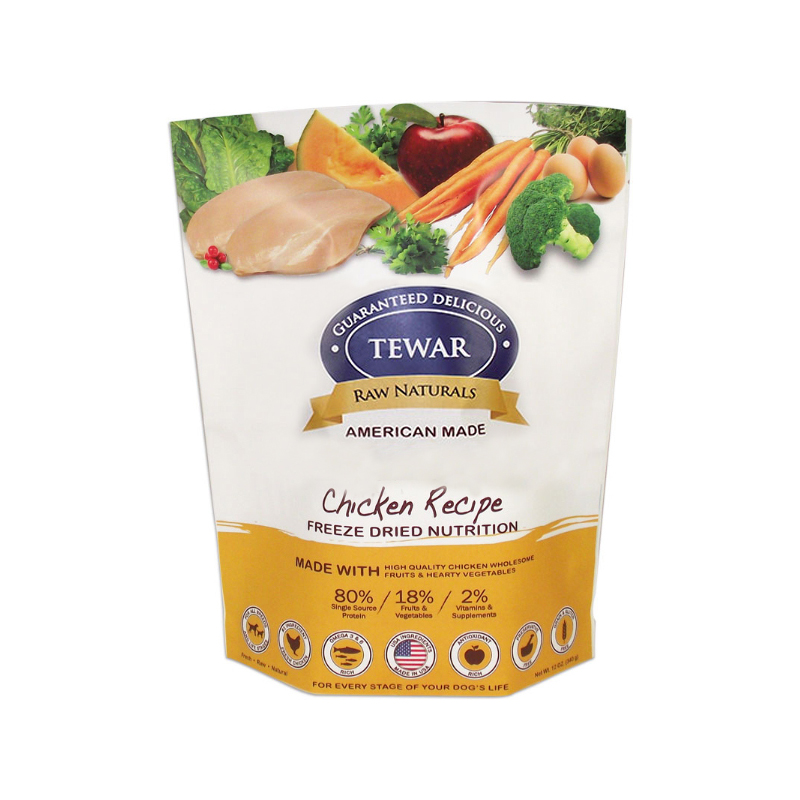
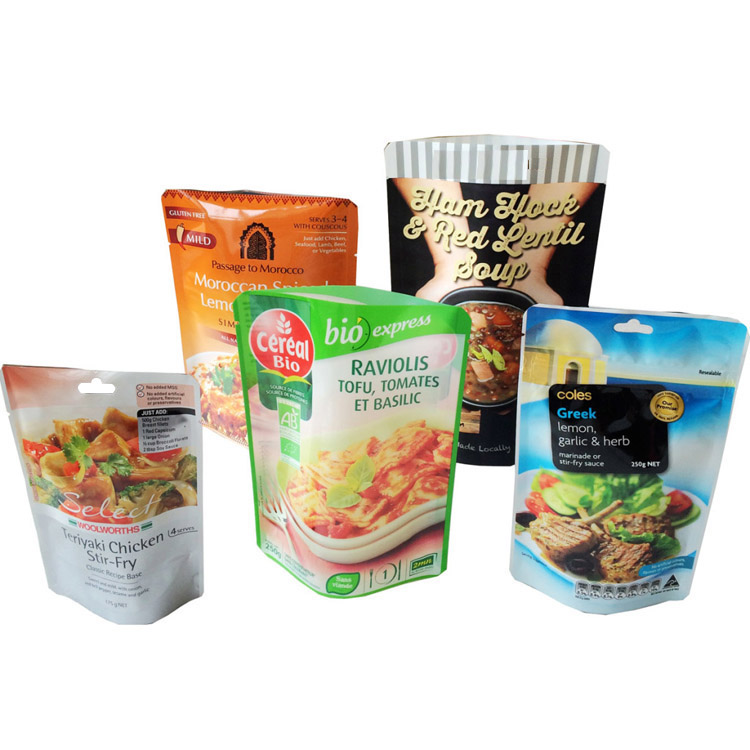
Roll film is particularly suitable for continuous automated packaging lines such as pillow-type, vertical, and horizontal lines: puffed snacks, candies and biscuits, frozen foods, powdered seasonings, pet food, and daily chemical refill packs.
Structure Selection: First determine the barrier target, then match heat sealing and film feeding.
In engineering, it is recommended to select the roll film structure using a "three-step method": ① Content sensitivity (oxygen/moisture/light/grease) → ② Target shelf life and environment (room temperature/high humidity/frozen) → ③ Equipment sealing method and speed (heat sealing window, pressure, time). A more complex structure is not necessarily better; the key is matching it to your equipment and operating conditions.
The Key to "Effectiveness": Roll film process and delivery standards.
The same structure, with different compounding, curing, slitting, and winding controls, will yield significantly different results. Many problems such as "difficult film roll feeding, inability to seal properly, and misregistration" ultimately stem from unclear delivery standards.
Common On-Site Issues: Quick Troubleshooting via "Phenomenon → Cause → Action"
* Film Flow Deviation, Sneezing, Unstable Tension
* First, check the roll end face and winding: uneven end faces, uneven tension, and tapered rolls will directly amplify deviation.
Next, check friction and guide rollers: A film surface that is too slippery/too rough will cause abnormal tension response; guide roller cleanliness and tension settings must be calibrated simultaneously.
* Sealing Leaks, Bag Bursts, Whitening of Seales, or Burn Through
* Confirm that the heat sealing window matches the speed: higher speeds and shorter times require greater consistency in materials and processes.
* If powder/grease easily enters the sealing area, improve anti-contamination sealing capabilities or optimize the sealing area structure and operating conditions.
* Bubbling, Tunneling, Wrinkles, Uneven Lamination
* Pay attention to lamination tension, coating and curing conditions; high-barrier structures require even greater control over flatness and wrinkle risk.
Blistering, Tunneling, Wrinkles, Uneven Lamination
* Monitor lamination tension, coating and curing conditions; high-barrier structures require even greater control over flatness and wrinkle risk. Transportation and storage also affect the final flatness: temperature, humidity, and stacking methods must be controlled.
Implementation Recommendation: First, use small-batch sampling to verify the "machine-ready window"
For automated production lines, the most cost-effective approach is not the lowest material unit price, but rather stable yield + minimal downtime + batch consistency. It is recommended to first conduct small-batch sampling based on your equipment parameters to verify film feeding, label tracking, and sealing window, and then solidify the confirmed parameters into long-term delivery standards.