About Us
Five Key Characteristics of High-Quality Product Packaging
Views : 407
Update time : 2026-05-28 17:15:29
Five Key Characteristics of High-Quality Product Packaging
In today's fiercely competitive market, product packaging is not just the outer garment of a product; it represents the brand image and is a crucial factor in consumers' purchasing decisions. High-quality product packaging not only enhances brand value but also attracts consumers' attention and increases the product's market competitiveness. So, what exactly constitutes high-quality packaging? Maode Packaging will detail the five key characteristics of high-quality product packaging.
I. Material Selection
High-quality product packaging first and foremost requires careful material selection. There are many types of packaging materials, including paper, plastic, glass, and metal, each with its own advantages and disadvantages. Firstly, paper packaging is highly favored by consumers due to its environmental friendliness and sustainability. Designers typically choose high-grammage paper, which not only feels substantial but also has a more premium visual appeal.
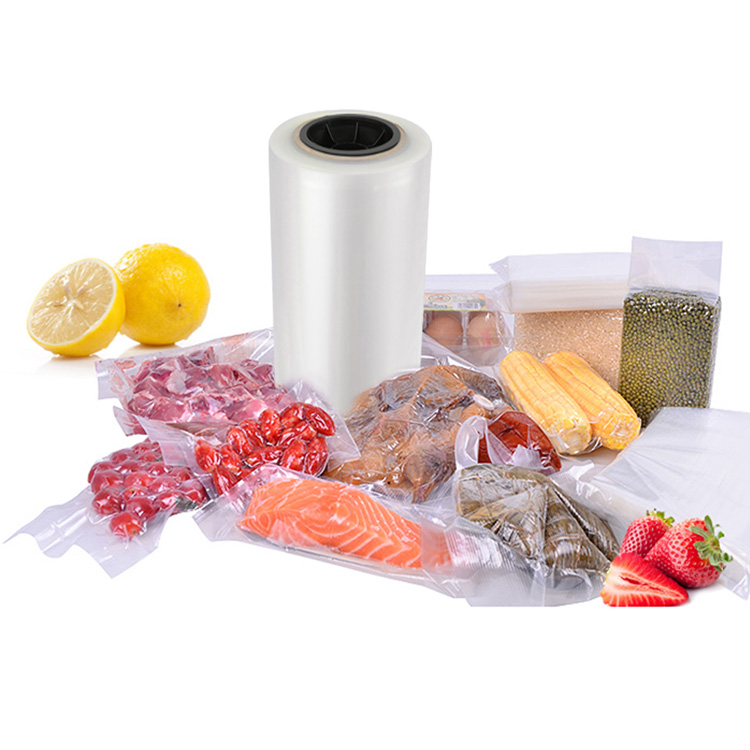
Secondly, for food packaging, safety is a paramount consideration, requiring the use of non-toxic, harmless materials that meet national food safety standards. For products like cosmetics, the airtightness of the packaging material is also crucial to prevent the evaporation and oxidation of the contents.
Finally, metal packaging such as aluminum and iron cans are increasingly popular in e-commerce and fast-moving consumer goods sectors due to their durability and excellent sealing properties. These materials contribute to the long-term preservation of products, ensuring consumers receive the best user experience.
II. Aesthetic Design
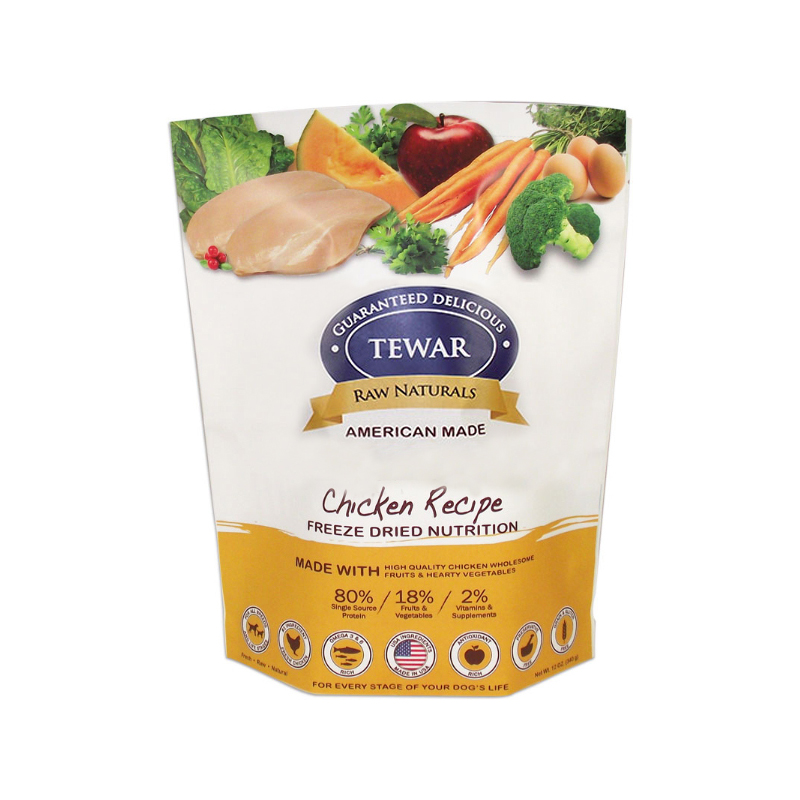
Product packaging design must not only meet functional needs but also pursue visual appeal. High-quality packaging design is typically characterized by simplicity, clarity, and creativity. Designers should consider the overall brand image during the design process, including the use of elements such as color, patterns, and typography.
Furthermore, color psychology plays a crucial role in packaging design. Different colors evoke different emotional responses in consumers. For example, blue often conveys trust and professionalism, green symbolizes nature and health, while red stimulates appetite and triggers a desire to purchase. Therefore, designers need to carefully consider whether color combinations align with brand positioning and the psychological needs of the target customers.
When designing patterns, unique illustrations or graphics can be used to make the product stand out among similar products. Exaggerated visual elements can attract consumers' attention, while a simple and sophisticated design conveys a sense of high-end quality.
III. Functionality and User Experience
No matter how elaborate the packaging, high-quality product packaging must also be practical. Packaging functionality encompasses not only protecting the product's integrity but also convenience. Understanding the needs of the target consumer and matching packaging design with user habits is crucial.
For example, for beverage packaging, the bottle design should be easy to grip, and the opening should facilitate pouring. Similarly, for household cleaning products or cosmetics, spray and squeeze designs should ensure even liquid distribution. Easy-open caps, convenient storage shapes, and leak-proof designs are all important components of enhancing the user experience.
Furthermore, reusability and recyclability are becoming new trends in packaging design. More and more consumers are paying attention to environmental protection; creating sustainable packaging not only meets market demands but also enhances brand image.
IV. Information Delivery
As a carrier of information, the accuracy and clarity of product packaging content are paramount. High-quality packaging should provide consumers with the key information they need within a reasonable scope, including product ingredients, usage instructions, production date, and shelf life. This information not only helps consumers better understand the product but also increases their trust in the brand.
Especially in the food and health supplement sector, transparent labeling helps consumers make informed choices. Designers need to strategically arrange text and images to ensure information is not only easily identifiable but also aesthetically pleasing. This not only enhances product credibility but also supports a positive brand reputation.
In information delivery design, the use of QR codes is another innovative approach. Consumers can scan QR codes to access more product information, usage tips, or promotional activities, thereby enhancing user engagement and interactivity.
V. Brand Consistency
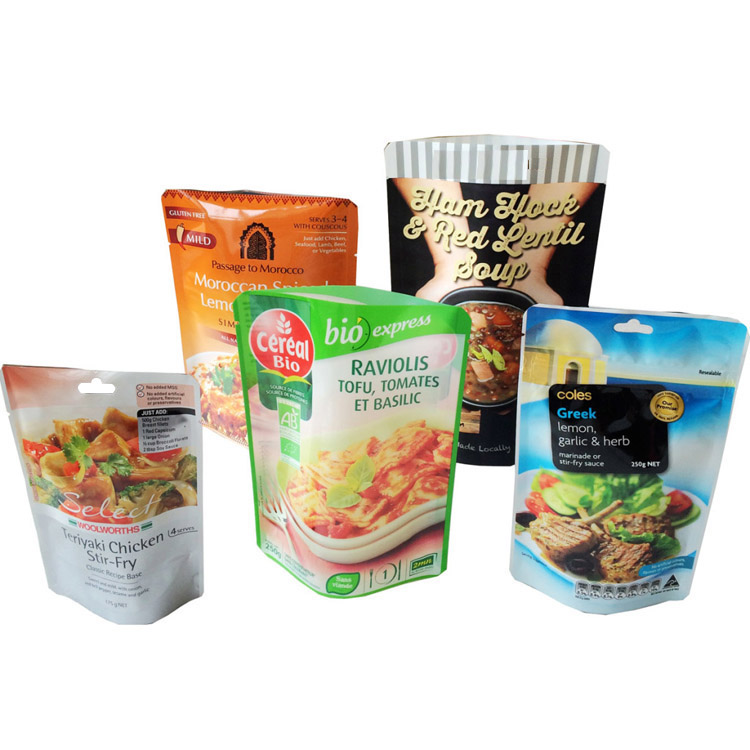
High-quality product packaging should not only highlight the characteristics of a single product but also maintain consistency with the overall brand image. Consistent packaging design helps improve consumer brand awareness, allowing consumers to quickly identify the brand among numerous choices.
For example, when well-known beverage brands launch different flavors, although the colors and names vary, their packaging designs still adhere to the same design elements and style. This strategy not only creates familiarity for consumers but also enhances brand recognition.
Furthermore, consistency does not mean a lack of innovation; rather, it means incorporating new design concepts while protecting the brand's core values. Using dynamic graphics, different packaging formats, or new materials are all good ways to innovate while maintaining brand consistency.
High-quality product packaging should possess excellent material selection, exquisite design, good functionality, clear information delivery, and brand consistency. Ideal packaging not only effectively protects the product but also enhances consumer purchasing power and increases brand competitiveness. In today's increasingly complex business environment, the importance of focusing on packaging quality is becoming more and more prominent. It not only affects the product itself but also profoundly impacts the brand's performance in the market. Therefore, companies need to continuously innovate in packaging design, following market trends and consumer needs to ensure they gain a larger market share.
Related News