About Us
Packaging Psychology: How Packaging Design Can Drive Consumer Decisions
Views : 292
Update time : 2026-05-29 16:26:07
Packaging Psychology: How Packaging Design Can Drive Consumer Decisions
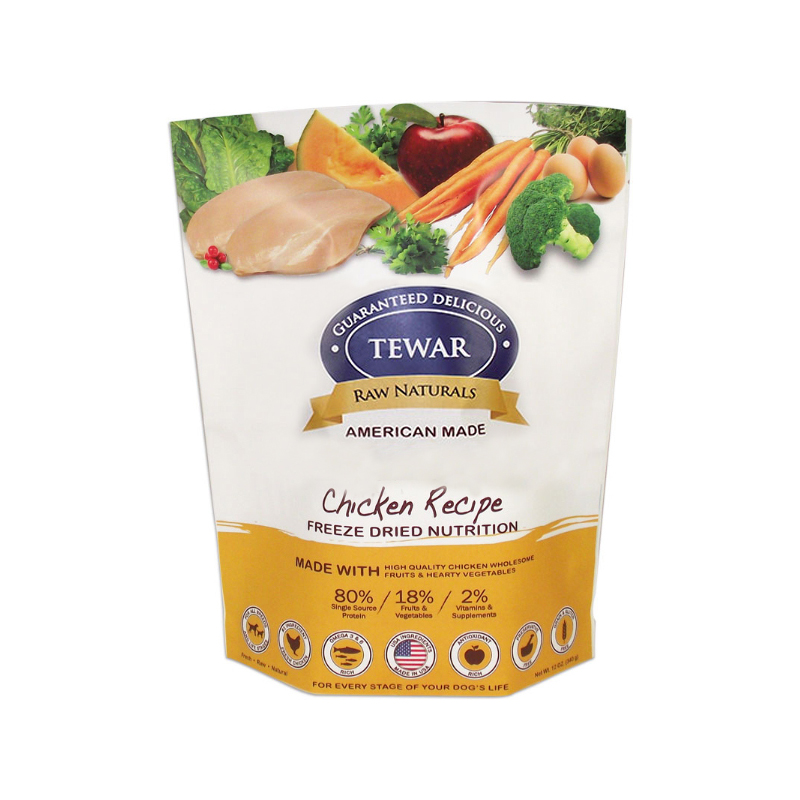
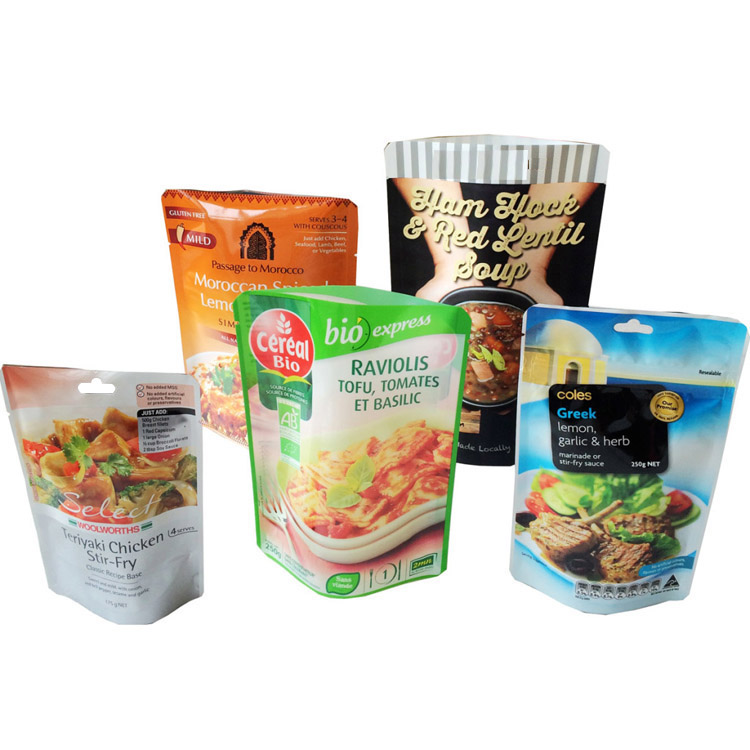
In the fiercely competitive retail environment, product packaging has evolved from a simple protective function into a "silent salesperson." According to the latest research in *Packaging People* magazine, consumers spend an average of only 3-5 seconds on a shelf. In this brief time, packaging design plays a crucial role in attracting attention, conveying information, and ultimately driving purchases. Excellent packaging design can generate up to 30% sales growth, while poor packaging can directly lead to unsold products.
I. The Precise Art of Information Delivery
Modern packaging is first and foremost an efficient information delivery system. Neuromarketing research shows that the consumer brain processes visual information 60,000 times faster than text. Therefore, packaging must achieve a "visually instantly understood" effect: through color combinations, graphic symbols, and stylistic language, accurately identifying the product category within 0.3 seconds. For example, Coca-Cola's classic curved bottle conveys the beverage's attributes without any text, while Tiffany's robin's egg blue packaging has become a visual symbol of luxury.
It is worth noting that the packaging promise must be highly consistent with the actual experience. A Harvard Business School experiment shows that when the product experience exceeds packaging expectations, customer loyalty increases by 42%; conversely, it leads to a surge in return rates. Apple's unboxing experience is a prime example; its meticulously designed packaging progressively reinforces the product's premium feel, ultimately presenting a product that perfectly matches the packaging's promise.
II. Three-Dimensional Expression of Brand Value
In brand building, packaging is a mobile brand museum. Starbucks' case is highly persuasive: its seasonal limited-edition cups have become a cultural phenomenon, telling the brand story through packaging design and cultivating a global "collecting culture." Data shows that brands maintaining visual consistency in packaging can increase customer recognition speed by 80% and memory retention by 65%.
Sustainable packaging is becoming a new arena for expressing brand values. L'Oréal Group's refillable cosmetic packaging not only reduces plastic usage by 40% but also visualizes environmental concepts through packaging design, giving its products a 27% premium among Generation Z consumers.
III. Strategic Application of Color Psychology
Color plays the role of a subconscious communicator in packaging design. Recent color psychology research has found that:
• Red can stimulate appetite, but it also increases anxiety by 15%, hence fast food packaging often uses yellow for balance.
• Blue packaging has a 22% higher conversion rate in the men's grooming category than in the women's market.
• Black and gold combinations increase the perceived value of luxury goods by 35%, but overuse can lead to a sense of distance.
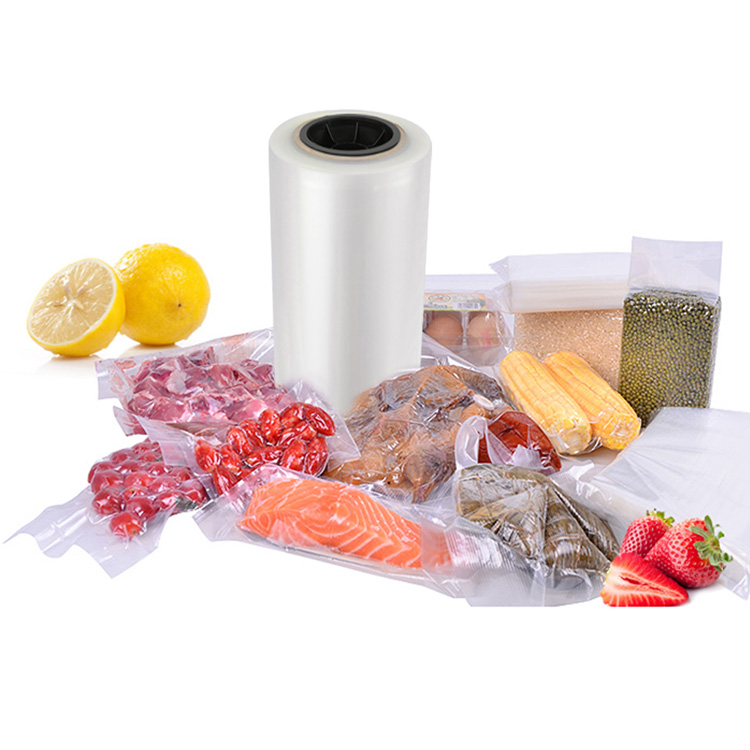
• Transparent packaging increases purchase confidence by 40%, but raises the demand for product quality by 200%.
IV. A Sensory Revolution Through Form Innovation
Packaging forms are undergoing an upgrade in sensory experience. Lush's solid shampoo bars use a "zero-packaging" design, which not only reduces waste but also conveys an environmental concept through the product's form. Targeting different gender groups:
• For women-oriented products: Curved shapes increase favorability by 28%, and tactile materials increase interaction by 33%.
• For men-oriented products: Angular designs enhance the perception of strength by 18%, and metallic textures enhance the association with quality by 24%.
V. An Upgraded Experience Through Functional Design
Modern packaging has entered the era of "interactive design." Amazon's Frustration-Free Packaging increases customer satisfaction by 73% through its easy-open design. Functional innovations include:
• Smart temperature-controlled labels: Visualizing the shelf life of fresh food
• Resealable structure: Increasing repurchase rates for fresh produce by 55%
• Ergonomic design: Reducing the effort required to open packaging for the elderly by 60%
In the experience economy, packaging has evolved into a key touchpoint for the "first product experience." Excellent packaging design requires balancing four dimensions: aesthetic appeal, information efficiency, brand value, and functional experience. With advancements in AR smart packaging, sustainable materials, and biodegradable technologies, packaging is transforming from a passive container into an active builder of consumer relationships. Brands that understand the psychology of packaging are gaining a decisive competitive advantage in this visual arena.
Related News