Why are powder and oil product packaging prone to leaks? Key points of flexible packaging heat sealing design
Why are powder and oil product packaging prone to leaks? Key points of flexible packaging heat sealing design
In flexible packaging projects such as food, seasoning powder, nuts, pet food, and daily chemical refill packs, leaks are not necessarily due to the bag itself being unable to seal. Often, it's due to a mismatch between the contents, material structure, and packaging equipment. Especially for powders, oils, fine particles, or products that easily adhere to the sealing area, even if the packaging appears sealed, slow air leakage, bag bulging, oil seepage, or cracking of the seal may occur later.
Therefore, judging the reliability of flexible packaging cannot rely solely on material thickness and printing appearance; its heat sealing stability under actual filling conditions must also be considered. For projects requiring mass production, confirming the heat sealing layer, sealing width, film feeding direction, and equipment parameters upfront is more important than repeated adjustments later.
I. Why are powder and oil products more prone to leaks?
Flexible packaging heat sealing relies on the heat sealing layer melting and bonding under certain temperature, pressure, and time conditions to form a continuous seal. If powder, grease, debris, or seasoning particles are trapped in the sealing area, the heat-sealing layers cannot make sufficient contact. While the surface may appear sealed, tiny channels may remain inside. This problem may not be immediately apparent at the factory, but after transportation compression, temperature changes, or shelf storage, it can easily lead to slow leakage, bag bulging, or seal breakage.
Common high-risk products include coffee powder, milk powder, seasoning powder, chili powder, chopped nuts, pet food, puffed snacks, oily sauces, and frozen prepared foods. These products share the characteristic of being prone to adhesion, rolling, powder spillage, or leaving tiny contaminants at the seal. Therefore, packaging solutions for these products need to prioritize sealing tolerance compared to ordinary dry goods.
II. Material Structure: Barrier Layers and Heat-Sealing Layers are Crucial.
Many customers, when choosing composite packaging bags, focus on structural names such as PET, PA, VMPET, AL, and PE, believing that higher barrier properties equate to greater safety. However, for products prone to leaks, the inner heat-sealing material is equally critical. The outer layer is responsible for printing and stiffness, the middle layer for barrier or strength, and the innermost heat-sealing layer is the one that directly participates in sealing.
If the heat-sealing layer window is too narrow, even slight fluctuations in equipment temperature may result in an incomplete seal or wrinkles. If the heat-sealing layer lacks sufficient resistance to contamination, it is more prone to false sealing when encountering powder or grease. For projects using automated packaging lines, the film width, core, color mark, coefficient of friction, and heat-sealing temperature range should be confirmed in conjunction with the equipment parameters of the packaging film to avoid discovering problems with machine installation only after the material arrives on-site.
III. Sealing width and edge design affect safety margin.
A narrower sealing width does not necessarily save material. For powder and granular products, if the sealing edge is too narrow, local powder trapping or uneven stress will reduce the remaining effective heat-sealing area, making micro-leakage more likely later. Especially for large-format packaging, heavy-duty packaging, or products requiring long-distance transportation, sufficient safety margins must be allowed in the sealing edge width and corner design.
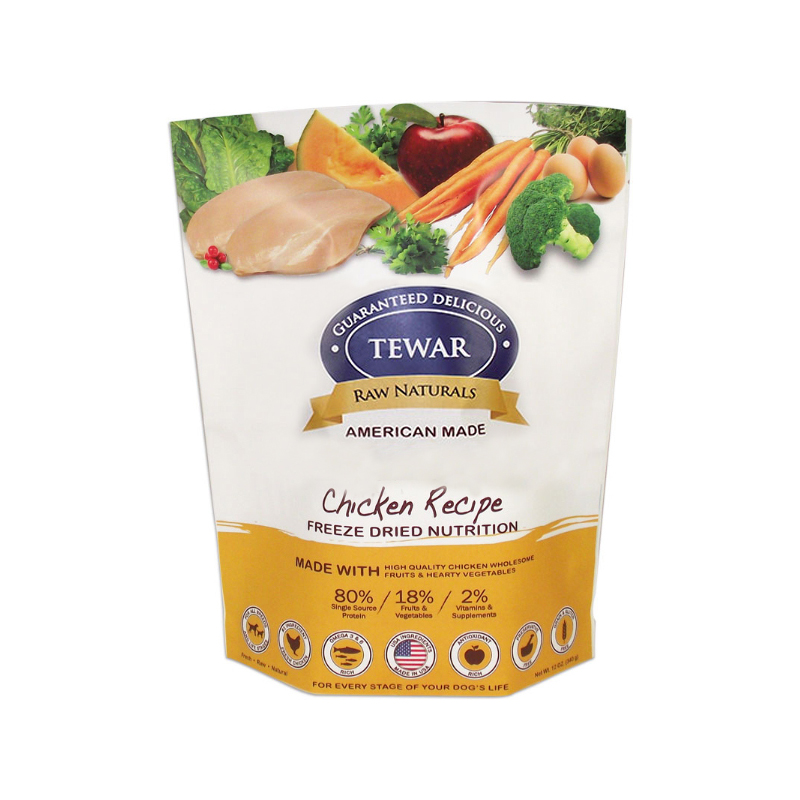
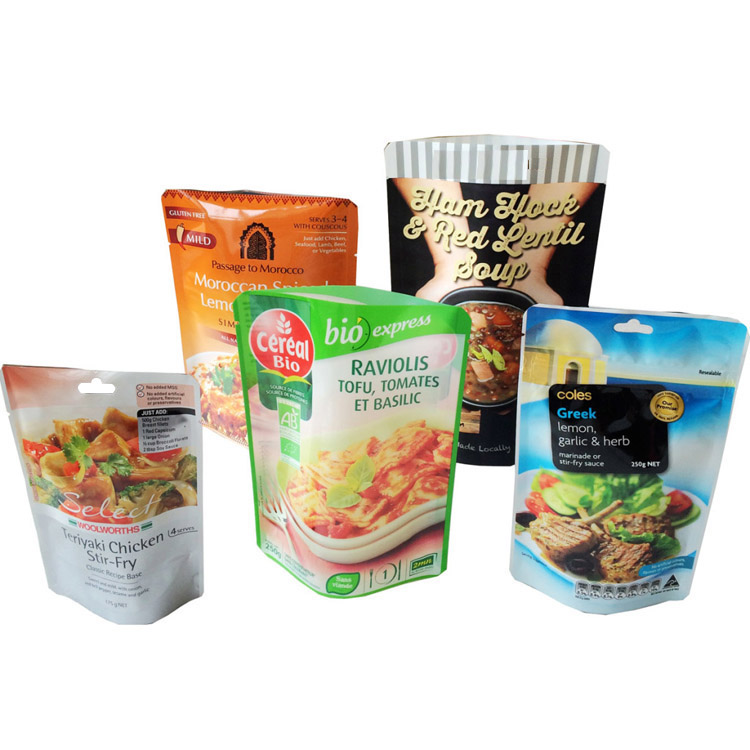
For pre-made bags such as stand-up pouches, eight-side seal bags, and zipper bags, pay attention to the bottom fold, side seals, the area above the zipper, and the easy-tear opening. Repeated handling, squeezing, and opening by consumers will subject the seal to additional stress. If the product requires shelf display and repeated opening and closing, refer to the stand-up zipper bag page for information on the display and usage scenarios of different bag types, and then determine the structure based on the weight of the contents and sealing requirements.
IV. For automated packaging, confirm film feeding and sealing parameters in advance.
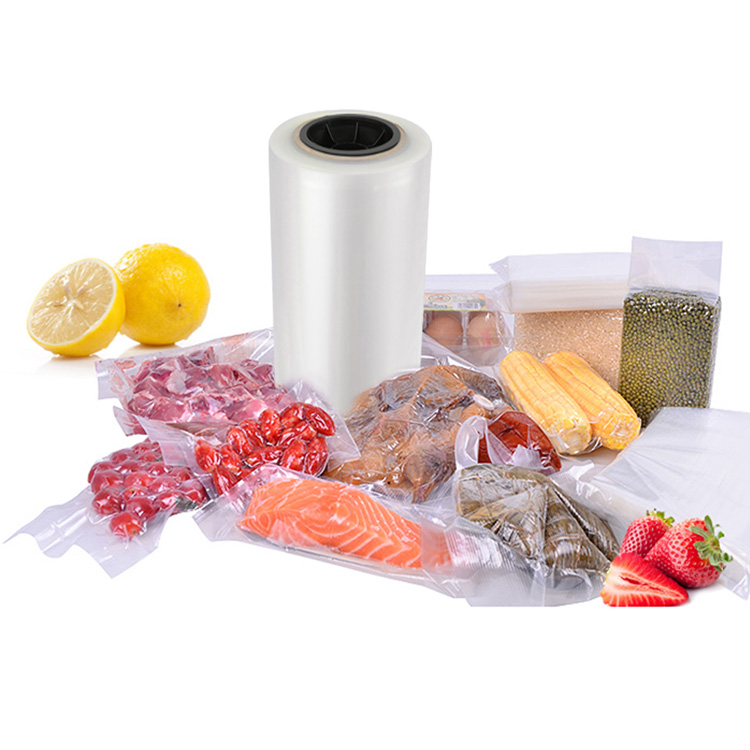
Packaging roll film projects are more prone to magnifying small problems. The faster the equipment speed, the more important the film friction coefficient, winding tightness, color mark recognition, heat sealing temperature, and pressure stability become. If the material's heat sealing window is too narrow, or the sealing area is prone to powder accumulation, uneven sealing, cut deviation, sealing wrinkles, and batch missed sealing may occur as soon as the machine speed increases.
Therefore, it is not recommended to only make static sample bags during sampling; it is also advisable to conduct small-batch trial runs using actual equipment. Especially for powdered, granular, and oily products, it's crucial to observe powder trapping during continuous operation, sealing strength, cutting neatness, and the proportion of air leakage in the finished product. The more complete the initial trial run records, the easier it is to reduce rework during mass production.
V. To reduce leaks during sealing, the following items should be verified during the sampling stage:
First, confirm whether the contents will produce flying powder, seep oil, or adhere to the sealing area; second, confirm whether the heat-sealing layer is suitable for this type of contaminated environment; third, confirm whether the sealing width is sufficient; fourth, confirm whether the equipment temperature, pressure, speed, and residence time are stable; fifth, conduct drop, compression, vacuum, or pressurized pressure tests to observe for slow leakage.
If the product has high requirements for aroma retention, moisture resistance, oxygen protection, or shelf life, the barrier performance and sealing integrity should also be evaluated simultaneously. Even with the best barrier material, if microchannels appear in the seal, it cannot truly protect the contents. For food-related projects, material structure, heat-sealing performance, and production site control need to be assessed together.
Conclusion: Heat-sealing stability is key to successful mass production of flexible packaging.
The challenge in packaging powders, oils, and granules lies not only in material selection but also in ensuring stable sealing in real-world filling environments. A reliable flexible packaging solution should consider the characteristics of the contents, the choice of heat-sealing layer, seal width, bag structure, and equipment parameters simultaneously.
For brands, providing complete information on samples, filling methods, equipment, and testing requirements upfront allows packaging manufacturers to recommend more accurate structures and reduces issues such as leaks, bulging, rework, and delivery time fluctuations. Truly stable packaging doesn't just look good in the sample stage; it maintains stability during mass production and end-user distribution.