How to Choose High-Barrier Composite Film? Key Technical Points of Flexible Packaging Structure Design
How to Choose High-Barrier Composite Film? Key Technical Points of Flexible Packaging Structure Design
Why is High-Barrier Composite Film Becoming Increasingly Important?
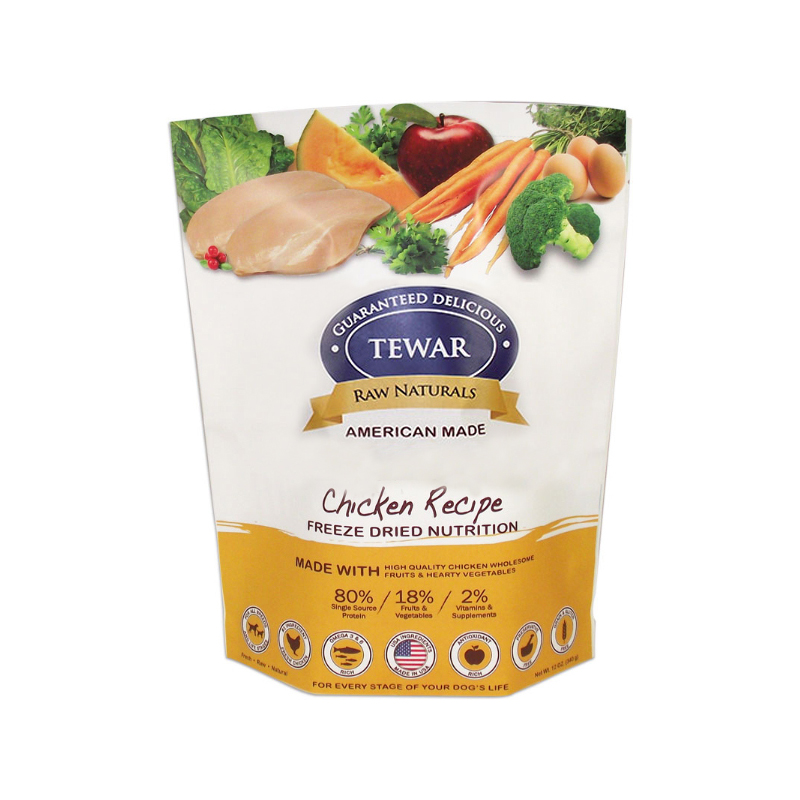
In packaging projects for food, coffee, freeze-dried products, pet food, and daily chemical refill packs, packaging is no longer just about "packing." More and more brands are paying attention to whether their products will be susceptible to moisture, oxidation, odor transfer, leakage, or aroma loss during transportation, warehousing, and shelf display. Therefore, high-barrier composite film has become a crucial element in customized flexible packaging.
High-barrier composite film is usually not a single material, but a combination of different functional layers. The outer layer is responsible for printing and mechanical strength, the middle layer is responsible for oxygen barrier, moisture barrier, light blocking, or aroma preservation, and the inner layer is responsible for heat sealing, contact safety, and sealing stability.
First, consider the product's sensitivity to oxygen and moisture.
When choosing a high-barrier composite film, the first step is not to directly ask "aluminum foil or aluminized film?", but to first determine what the product is truly afraid of. Oily foods, coffee beans, nuts, milk powder, and flavoring products are generally more susceptible to oxidation and aroma loss; freeze-dried foods, powders, and seasonings often prioritize moisture protection and anti-caking; and products with color, aroma, or active ingredients may also require consideration of light protection and UV protection.
If a product is highly sensitive to oxygen, moisture, and light, a common approach is to use aluminum foil structures such as PET/AL/PE and PET/AL/CPP. The aluminum foil layer offers strong light-blocking and barrier properties, suitable for products with high shelf-life requirements. However, if a brand prioritizes a metallic appearance, cost control, and a certain level of barrier performance, aluminized materials such as VMPET and VMCPP can be considered.
II. Don't just look at barrier performance; also consider heat-sealing stability.
Even with the best high-barrier materials, if the heat-sealing layer is unstable, the finished product is still prone to problems such as leaks, incomplete seals, bag bursts, or insufficient seal strength. Especially for powdered, granular, and oily products, the sealing area is more easily contaminated during the filling process. Therefore, the heat-sealing temperature range, contamination-resistant heat-sealing capability, and sealing strength of the inner layer material need to be assessed in advance.
Common heat-sealing layers include PE, CPP, modified PE, and high-temperature resistant CPP. For general dry goods packaging, PE or CPP can be chosen based on cost and flexibility. For products requiring high-temperature sterilization, retort treatment, or higher sealing strength, a more cautious selection of a heat-resistant heat-sealing layer is necessary, and sealing performance should be confirmed through sampling tests.
III. Different Structural Focuses for Roll Film and Pre-made Bags
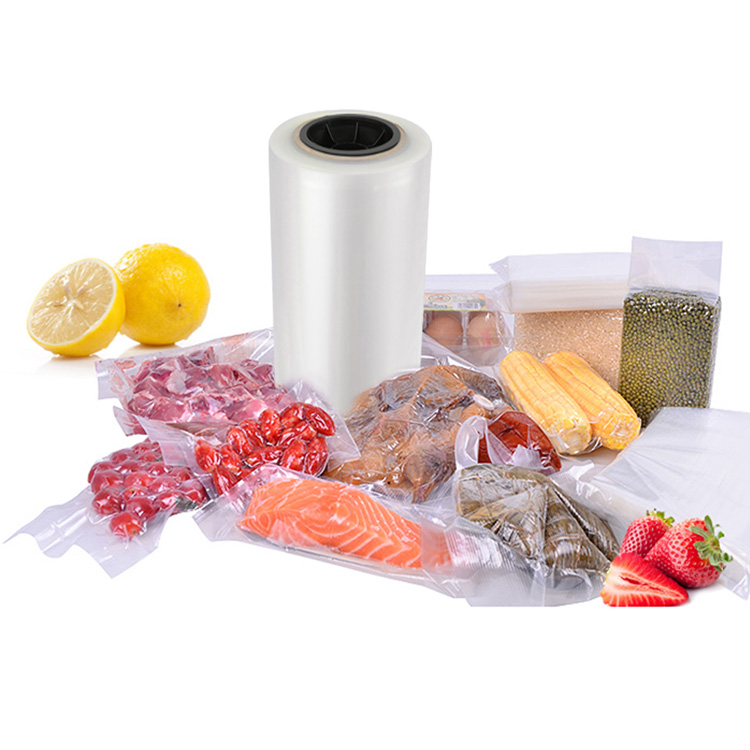
While both are high-barrier structures, the focus differs when used in packaging roll film and pre-made bags. Packaging roll film needs to operate with automated packaging equipment; therefore, in addition to barrier performance, the flatness of the roll, coefficient of friction, heat-sealing window, film feeding stability, and batch production losses are also crucial. Pre-made bags, on the other hand, focus more on bag stiffness, opening and closing experience, zipper sealing, easy-tear opening, rounded corners, and shelf display effect.
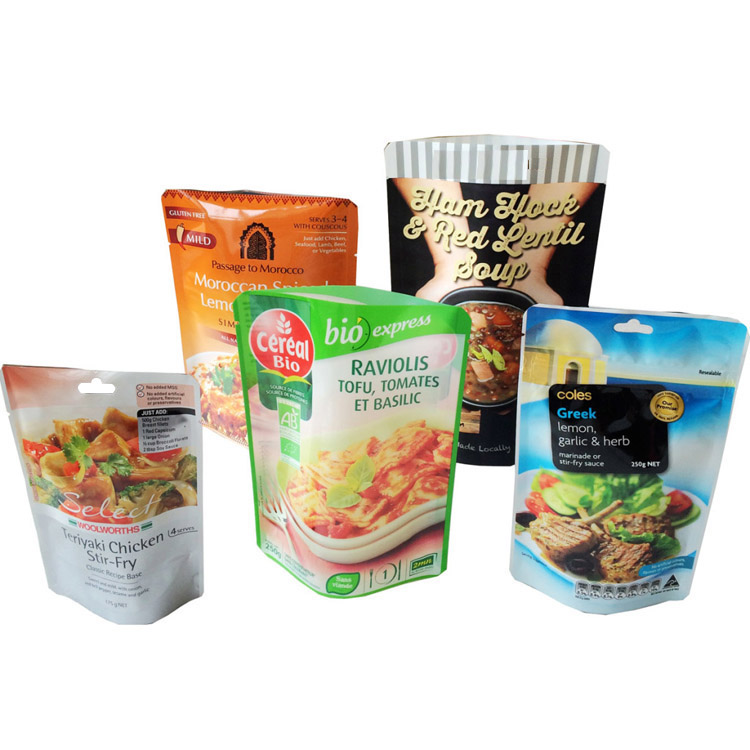
If a project has stable output, mature equipment, and few specification changes, roll film is generally more suitable for long-term large-scale production. If a brand is in the new product testing phase, has a large number of SKUs, or prioritizes visual appeal and consumer experience, pre-made bags such as stand-up pouches and zipper bags offer more flexibility.
IV. How to Understand Common High-Barrier Composite Film Structures?
In actual customization, many clients will see abbreviations for materials such as PET, BOPP, PA, AL, VMPET, CPP, and PE. Simply put, PET and BOPP are mostly used for outer layer printing and support; PA has good puncture resistance and flexibility; AL is suitable for high barrier and light blocking; VMPET can provide a metallic finish and medium-to-high barrier properties; and PE and CPP are mostly used as inner heat-sealing materials.
For example, products that prioritize aroma preservation and moisture control, such as coffee, nuts, and freeze-dried foods, can consider structures like PET/VMPET/PE or PET/AL/PE. Liquids, sauces, or heavier contents require simultaneous attention to puncture resistance, drop resistance, and seal strength. Packaging requiring transparent display windows cannot simply use a completely opaque structure; a balance must be struck between partial openings and overall barrier properties.
V. Prototype Testing is More Reliable than Paper Parameters
Flexible packaging design cannot be limited to material lists. The oil content, particle hardness, filling temperature, storage environment, and transportation methods of different products all affect the final packaging performance. Even with similar structures, the finished product may exhibit significant differences in effect depending on thickness, composite process, and heat-sealing conditions.
Therefore, before mass production, it is recommended to complete sample bag testing, including sample observation, drop testing, seal strength checks, heat-sealing temperature window testing, shelf display observation, and necessary storage stability testing. For food contact packaging, corresponding material compliance documents and testing data should also be prepared based on the sales market.
Conclusion: High barrier properties aren't about being as high as possible, but about finding the right fit. The core value of high-barrier composite films lies in ensuring that the packaging structure matches the product characteristics, shelf-life goals, production methods, and cost budget. For brands, the truly effective selection method isn't blindly pursuing thicker, more expensive, or higher-barrier options, but rather first clearly defining product risks, and then choosing the appropriate material combination, bag type, and production process.
If the product has specific requirements for moisture protection, oxygen barrier, light blocking, aroma retention, or heat-sealing strength, it's recommended to provide the packaging manufacturer with the contents characteristics, capacity specifications, filling method, storage period, and sales channels early in the design phase. This makes it easier to create a stable, practical, and cost-effective flexible packaging solution.